
Our Featured Courses
-
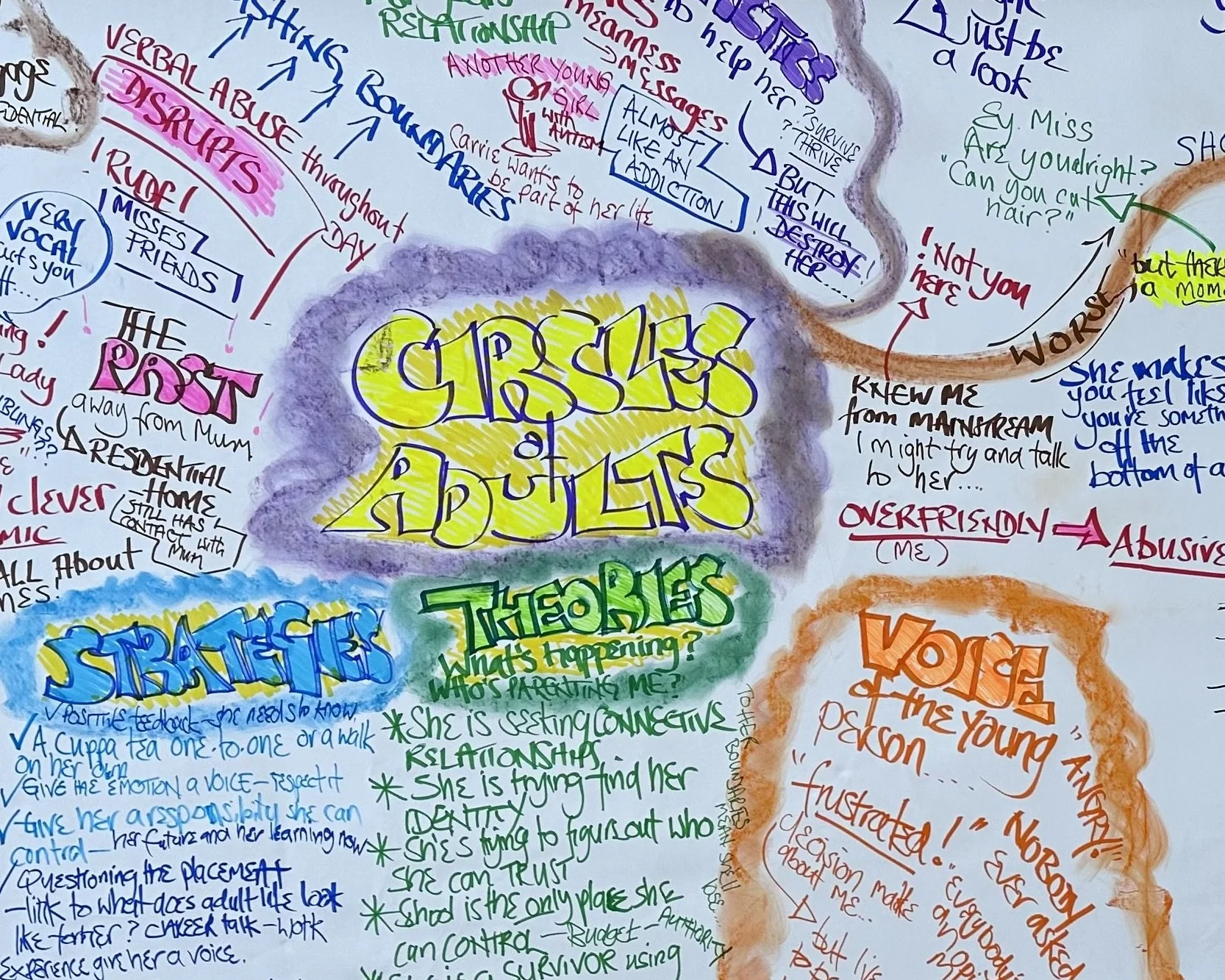
Circle of Adults
Circle of Adults is a structured, reflective problem-solving process designed to support individuals with complex emotional or behavioural needs. Facilitated by Inclusive Solutions, it brings together professionals to explore challenges, share insights, and build empathy. The approach strengthens team understanding and generates inclusive, effective strategies for meaningful support.
-
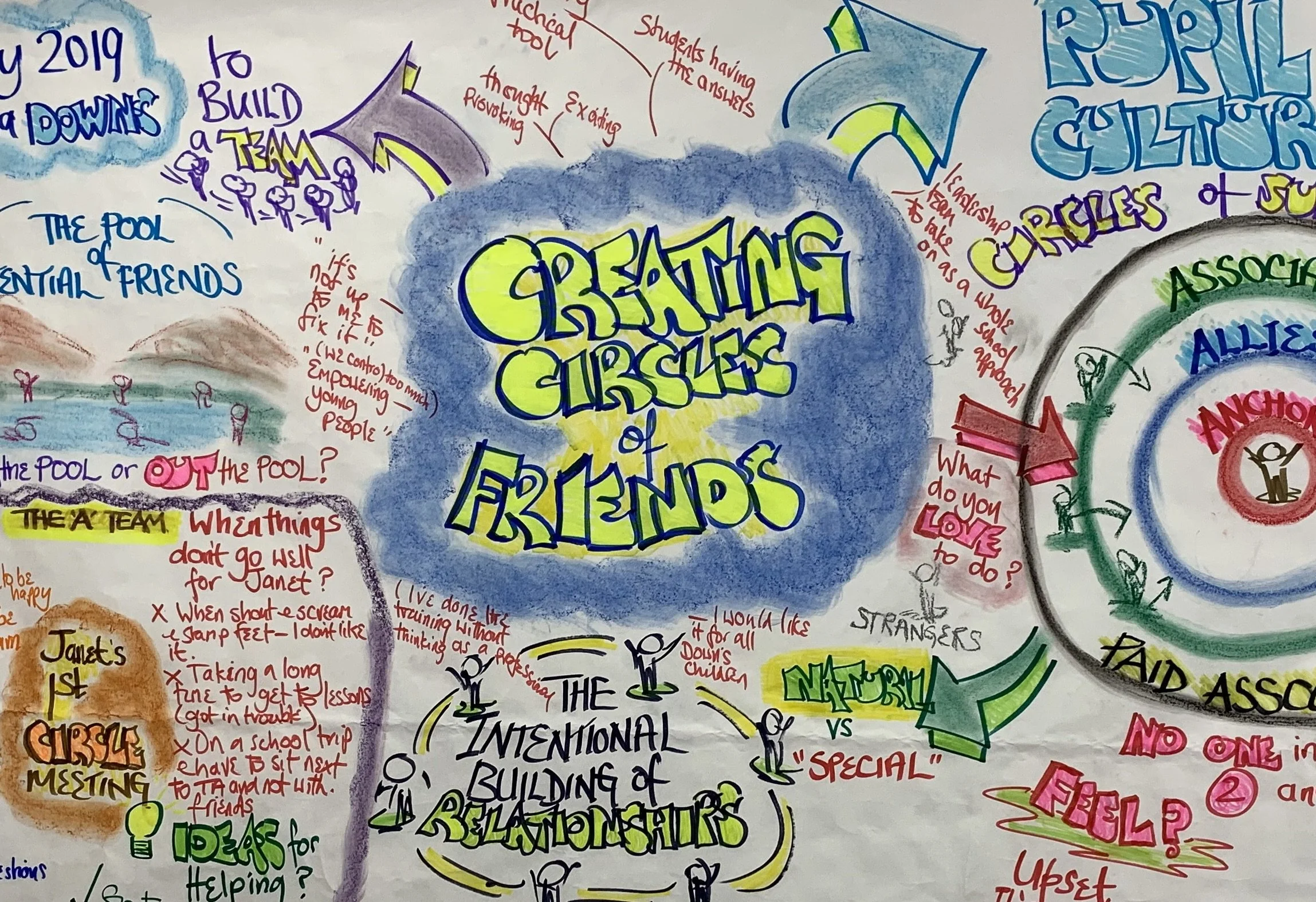
Creating Circles of Friends
Circle of Friends is an inclusive strategy that builds peer support around a child experiencing social, emotional, or behavioral challenges. A small group of classmates meet regularly to offer friendship and practical help, encouraging empathy and inclusion while empowering the focus child to develop confidence, relationships, and a sense of belonging.
-
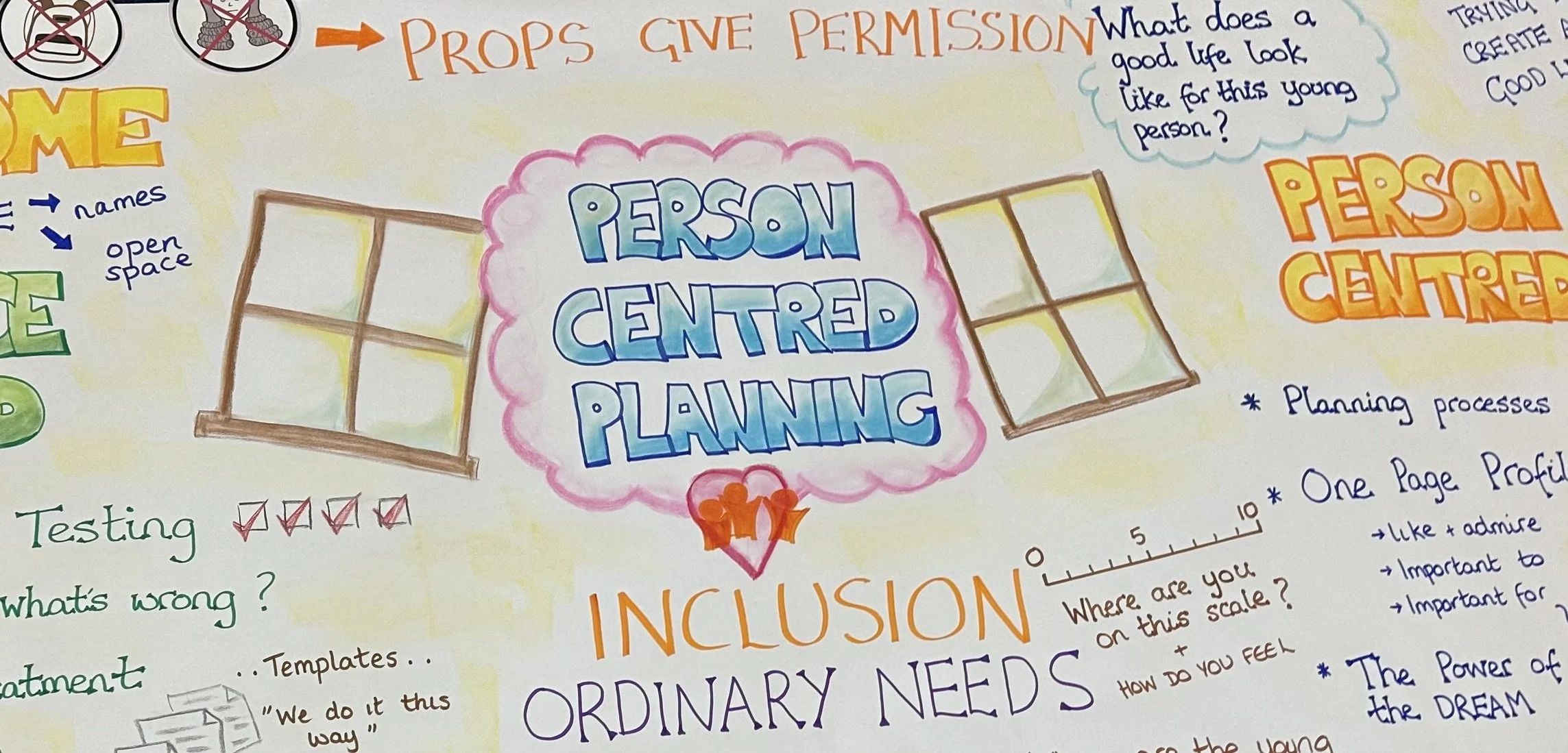
Person Centered Planning
Person-Centred Planning is an inclusive, strengths-based approach that supports individuals—especially those with disabilities—in shaping their own future. It focuses on a person’s goals, values, and support networks, using tools like PATH and MAPs to create empowering, meaningful plans rooted in community, connection, and self-determination.
-
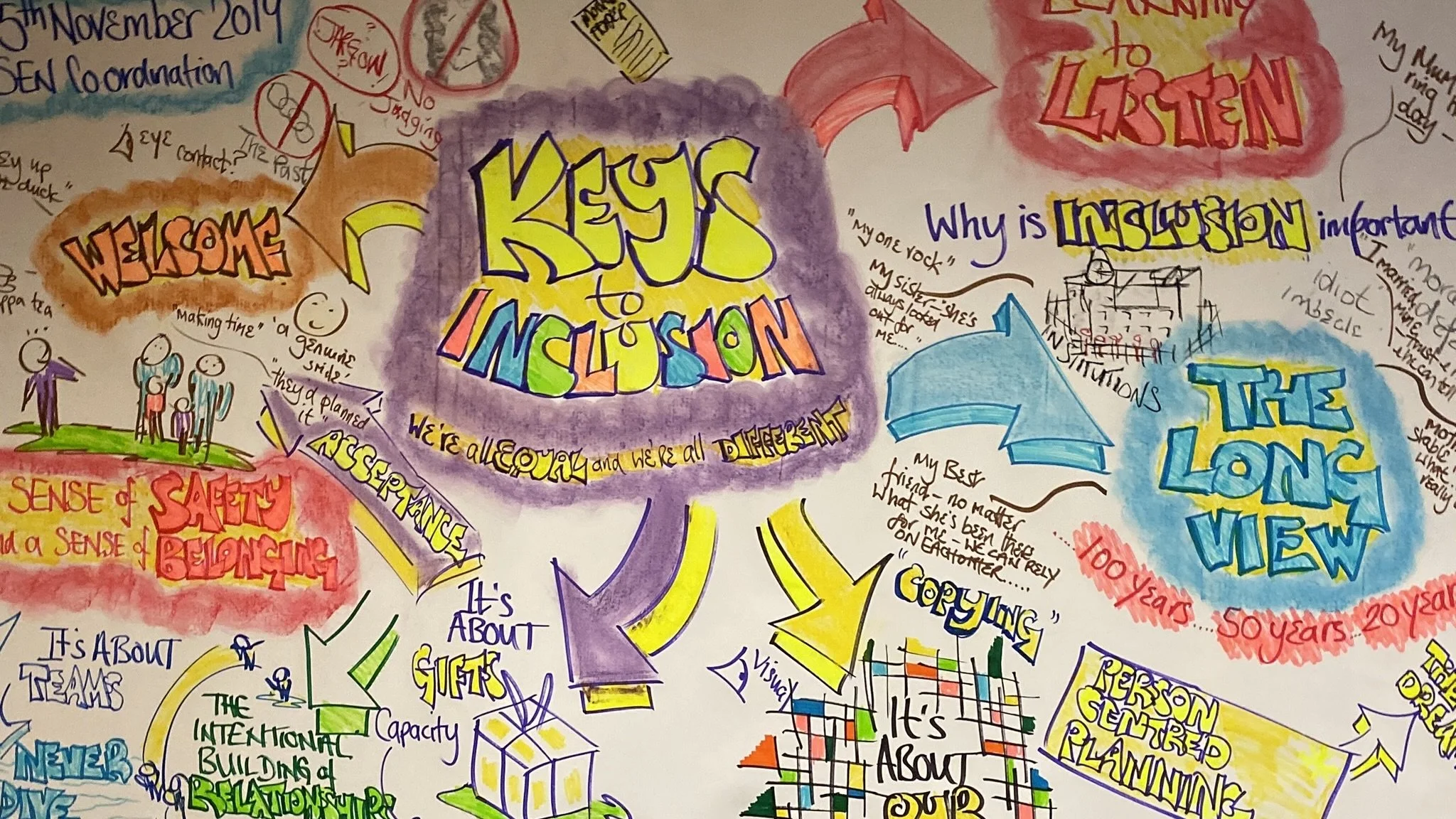
Keys to Inclusion
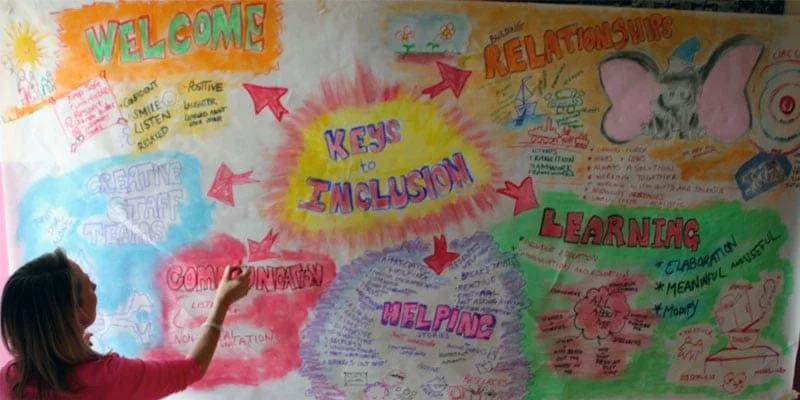
The Keys to Inclusion is a self-paced training that explores eight essential principles for creating inclusive environments. Through videos and reflective exercises, participants—educators, support staff, and parents—gain practical strategies and values-based insights to support all learners and drive meaningful, lasting change in schools and communities.
-
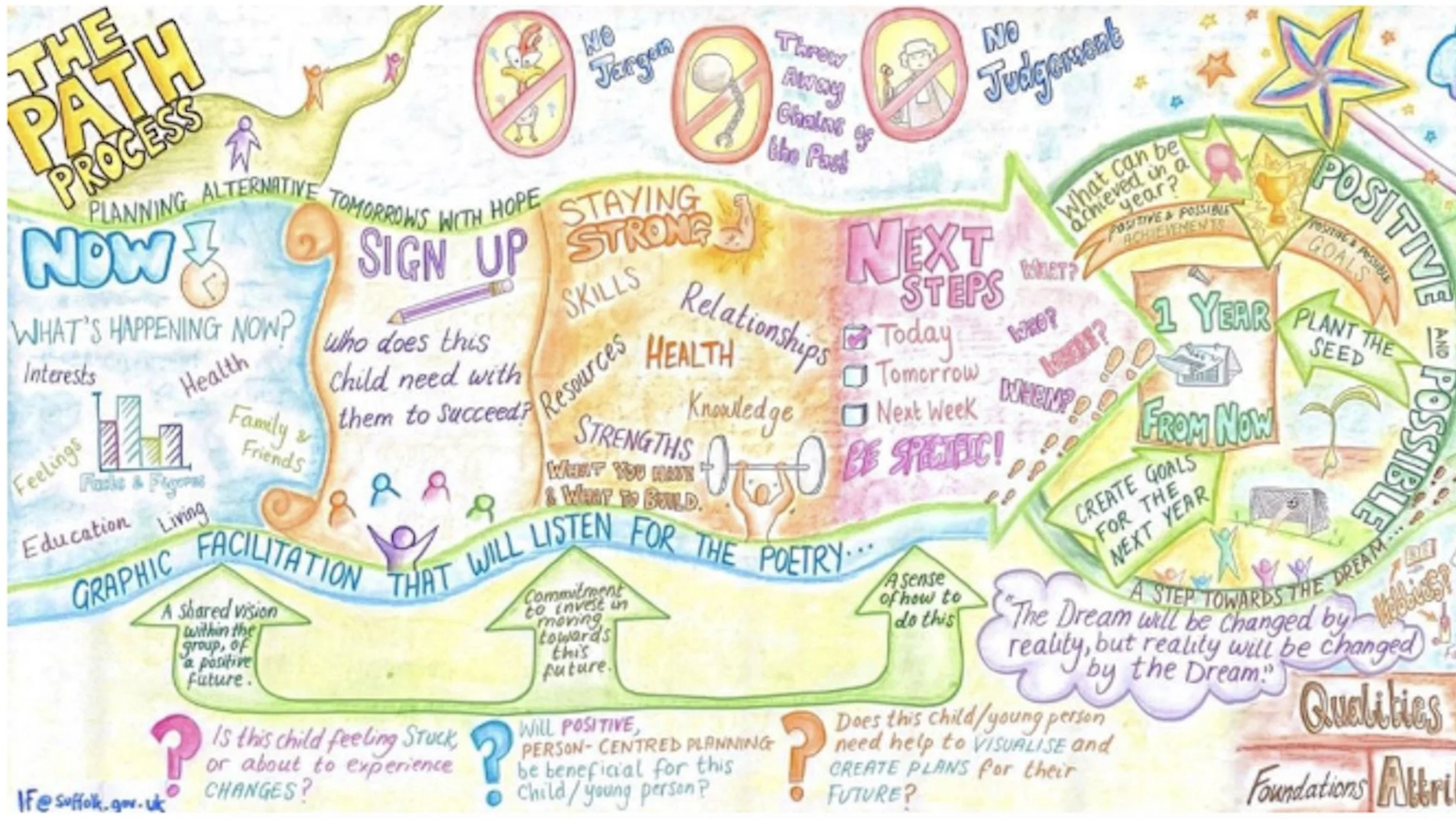
PATH
PATH (Planning Alternative Tomorrows with Hope) is a dynamic, person-centred planning tool that helps individuals create a clear, hopeful vision for the future. Using graphic facilitation and group support, PATH turns dreams into achievable goals through structured steps, empowering inclusive, strength-based action for those with additional needs.
-
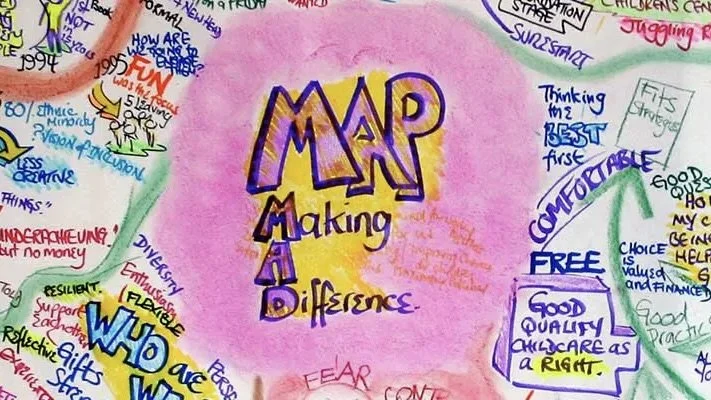
MAPS
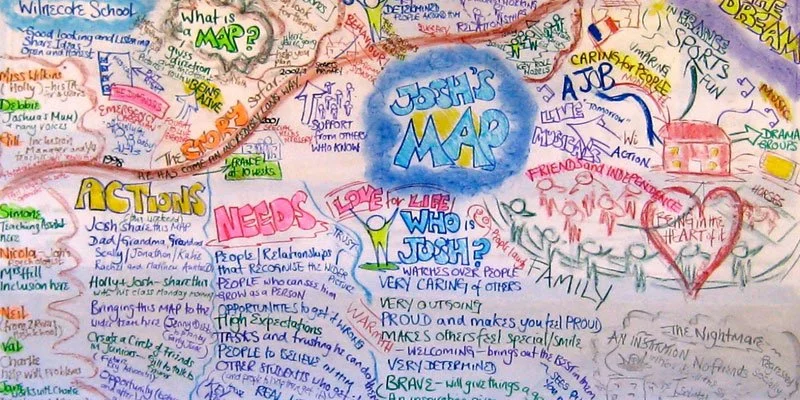
MAPs (Making Action Plans) is a creative, person-centred planning tool used to support individuals—particularly young people with additional needs—to envision a positive future. Rooted in storytelling and graphic facilitation, MAPs helps groups listen deeply, reflect on strengths, and develop practical steps toward meaningful, inclusive life goals.
Our Courses
-
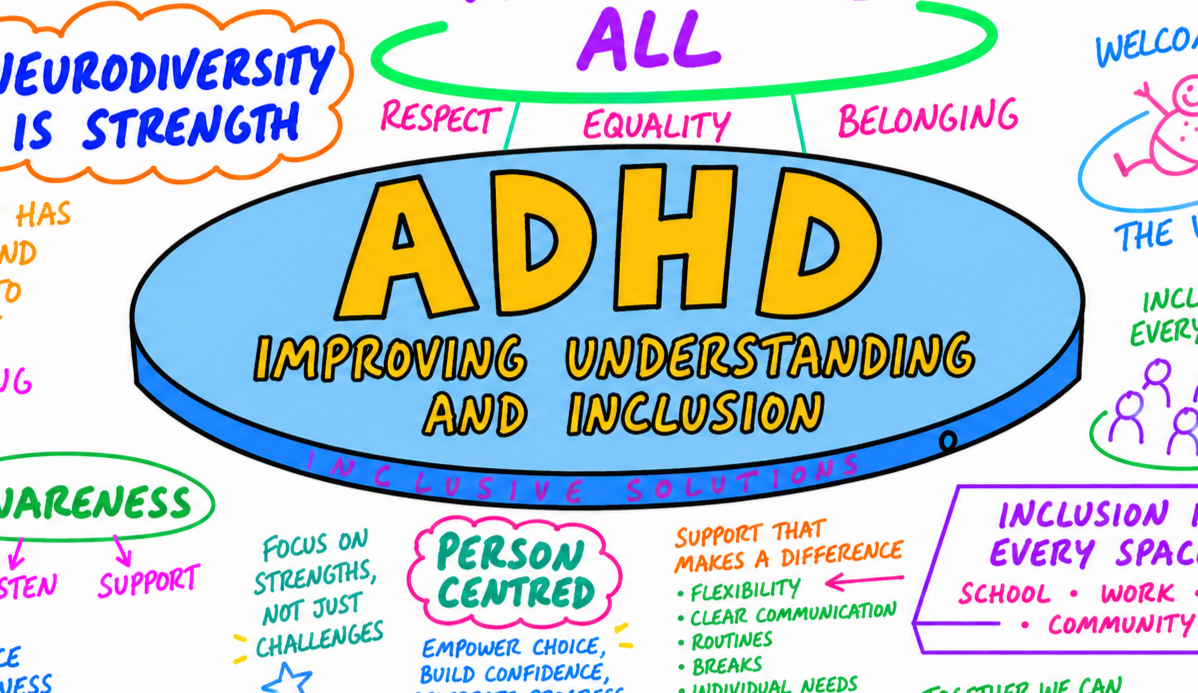
ADHD-Improving Understanding and Inclusion
Never before have so many children been labelled with ADHD – not just labelled but also given powerful amphetamines as a ‘treatment’. ADHD is described as impacting on school-aged children and resulting in restlessness, impulsive actions, and lack of focus impairing their ability to learn properly.
-
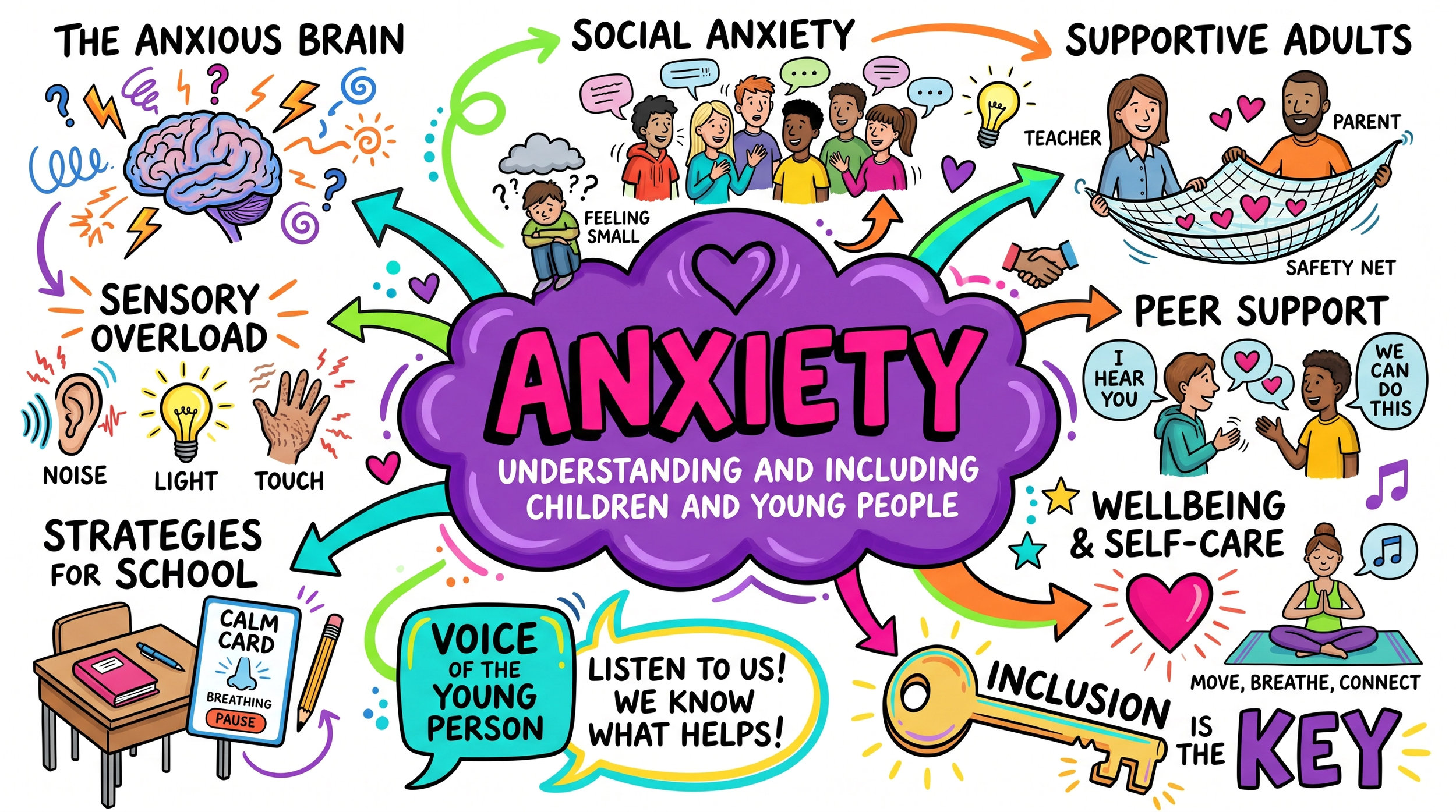
Anxiety- Understanding And Including Children And Young People
In this practical workshop session we will explore ways of including anxious children in mainstream schools and settings. The session will be values based and practical and will aim to allow the sharing of experiences and good practice as well as promoting innovative approaches to inclusion through the design of best practice.
-
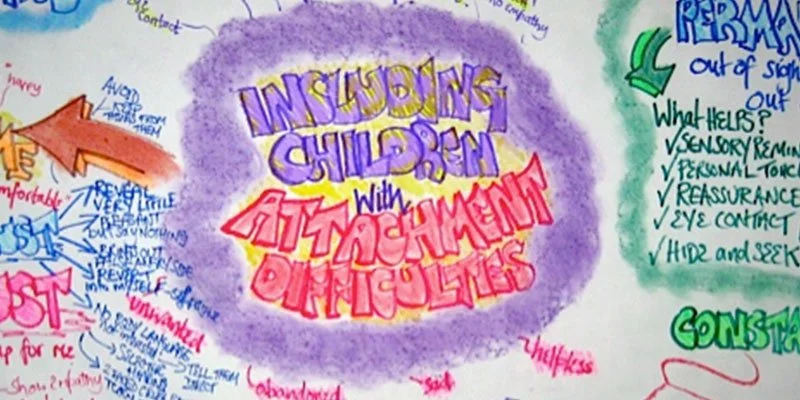
Attachment Difficulties: Including Children
This is a practical ‘non medical’ day for front line practitioners working with children and young people with serious attachment issues arising from loss, trauma and abuse.
-
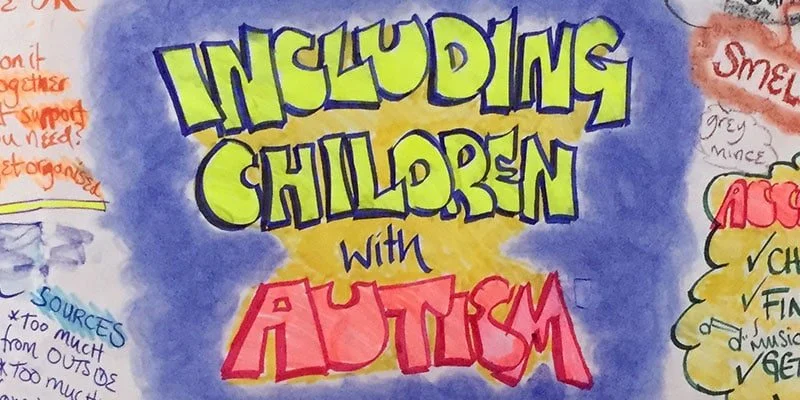
Autism: How to Include Children In Mainstream Settings
In this practical workshop session we will explore ways of including pupils who have been labelled as being on the autism spectrum. The session will be values based and practical and will aim to allow the sharing of experiences and good practice as well promoting innovative approaches to inclusion through the design of best practice. Parental perspectives and experiences will also be explored.
-

Autism - Understanding and Including People of All Ages
In this practical workshop session we will explore ways of including people who have been labelled as being on the autism spectrum. The session will be values based and practical and will aim to allow the sharing of experiences and good practice as well promoting innovative approaches to inclusion through the design of best practice.
-
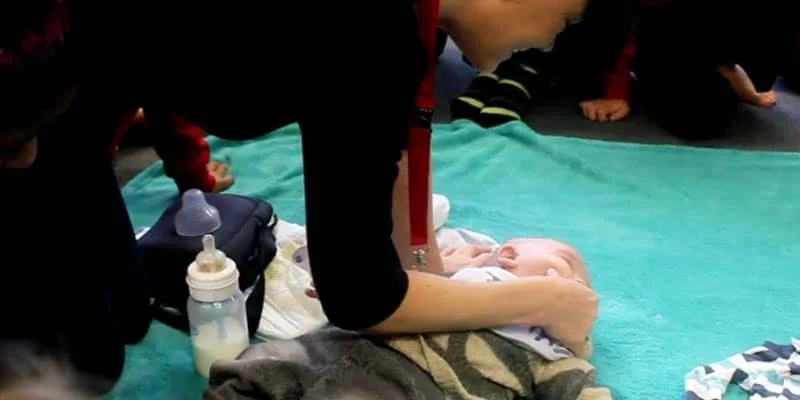
Baby Project - Working with Babies to Increase Empathy
This radical way of building empathy is inspired by the work of the ‘Roots of Empathy’ organisation in Canada. Roots of Empathy (ROE) is dedicated to building caring and peaceful societies through the development of empathy in children. It is a parenting education programme for elementary school students (between the ages of 3 to 14 years) based on monthly visits to the classroom by a parent and infant from the school neighbourhood.
-
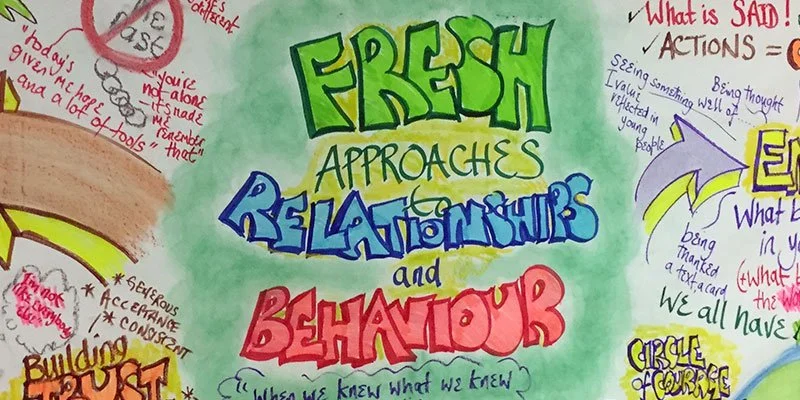
Behaviour: Fresh Approaches to Behaviour and Relationships
This is our lead workshop/training day on behaviour and relationship work in Primary and Secondary schools and Academies, as well as Early Years, FE and adult settings and is both a values primer and a practical guide to successful innovative strategies for improving behaviour and strengthening relationships for challenging children and people of all ages.
-
Boys Emotional Needs
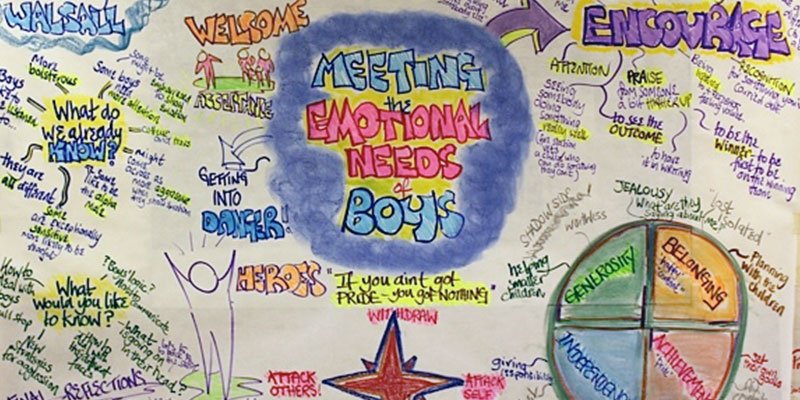
This workshop gives an opportunity to focus on the emotional needs of boys and how to meet these. We lift the lid on an emerging urgent inclusion issue,namely meeting the emotional needs of boys. Everyone knows a boy. They may be pupil, son, brother, parent or partner. Boys when they become adults are over represented in the prison, and mental health system.
-
Chairing Meetings
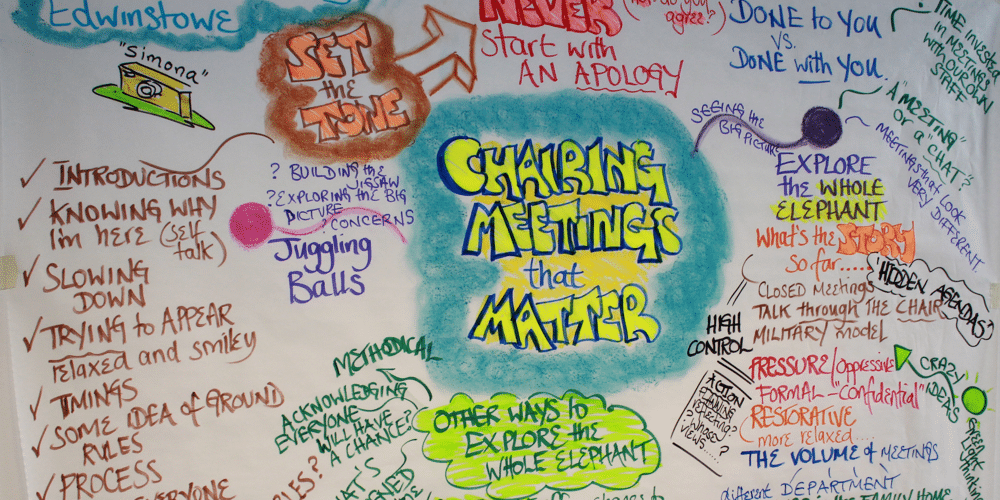
Meetings can be dreadful and bad chairing makes them worse.
On this day we look at transformational person centred approaches to approaching the chairing of meetings. We provide deeper insights into the psychological processes that make this role challenging. ‘Best Saves’ for those really difficult moments when chairing meetings are creatively explored. We provide a practical, skill based and creative approach best delivered over 2 days.
-

Communications Skills for Leaders
Whatever your position in the team, good communications skills are vital. They are at the centre of every work place interaction and can make a real difference to your work environment. Here’s a worthwhile day to increase your skills in this area. These skills will not only help your personal growth but they will increase job satisfaction and in turn relationships with adults and children. With these new skills you will also increase your abilities in co-operative partnerships and network building
-
Community Circles
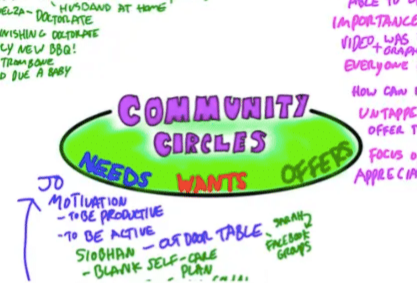
In this course we explore how we have attempted to build inclusive circles of support around individuals and contrast this with a radical approach to hospitality and community building – the Community Circle. The purpose of community circles is to bring people from a local community together to share their skills, talents, gifts and resources. This idea is based upon the premise that ALL of us need three things in our lives to make us happy and fulfilled: these are money, friendship and meaning. We believe that everyone needs community, everyone needs to be heard and everyone needs to have fun.
-
Educational Psychologists and Person Centred Planning
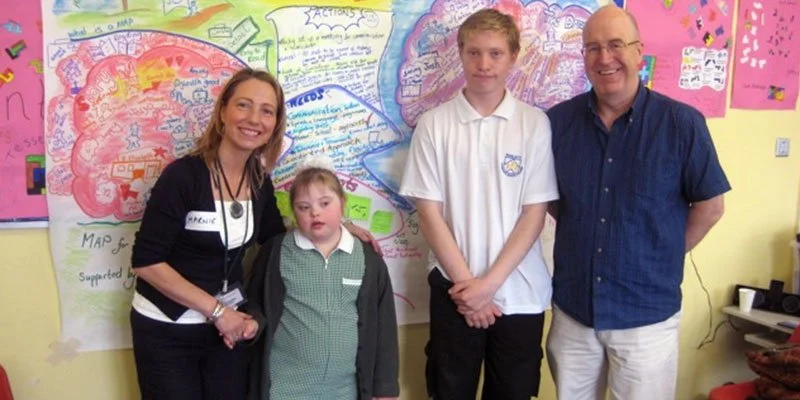
There is growing interest nationally from Educational Psychology Services in the use of person centred tools to support complex planning and transition work. We have recently worked with Psychology teams (and other Children’s Services support staff) in the London Borough of Brent, North East Lincolnshire, Warwickshire and in East Lothian providing an introductory day on person centred planning approaches as described below.
-

Emotional Wellbeing
This workshop gives an opportunity to focus on the emotional needs of children and young people and how to meet these. We lift the lid on an emerging urgent inclusion issue, meeting the emotional well being of all children. In one year 1300 young men committed suicide in the UK. In the UK the commonest cause of death among those aged 16-35 is suicide.
-
Facilitation Skills: Person Centred Planning
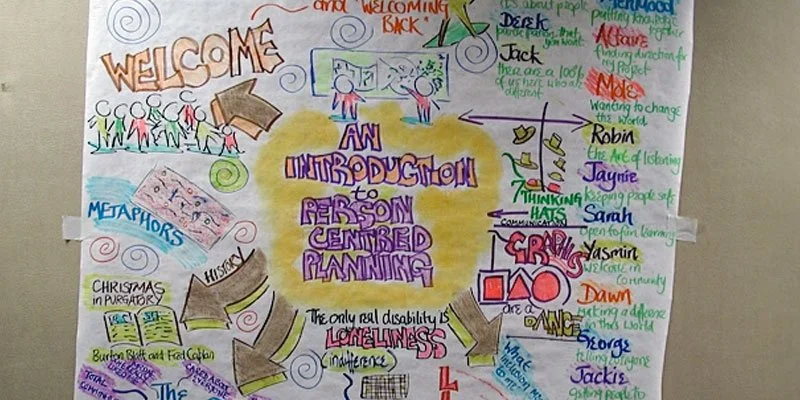
Person Centred Planning: the act of listening to each other creates relationship and strengthening trust and inclusion within the team. If well facilitated In creating a shared vision, groups of people build a sense of commitment together. They develop images of the future they want to create together, along with the values that will be important in getting there and the goals they want to see achieved along the way.
-
Family Circles
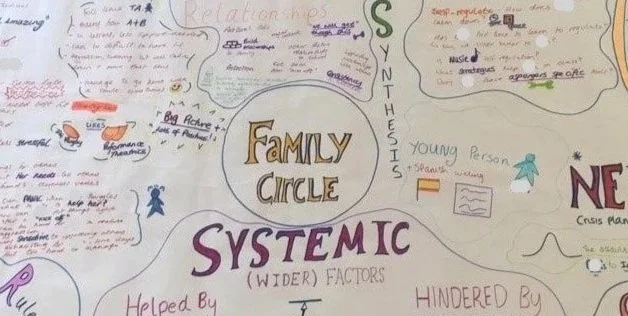
In this training we demonstrate a live problem solving approach which is based on the active participation of family members.
‘Family Circles’ is an evolving new approach to problem solving with families and is based on our years of family work and the development and use of the Circle of Adults process.
-
Family Mapping - Using MAP Person Centred Planning
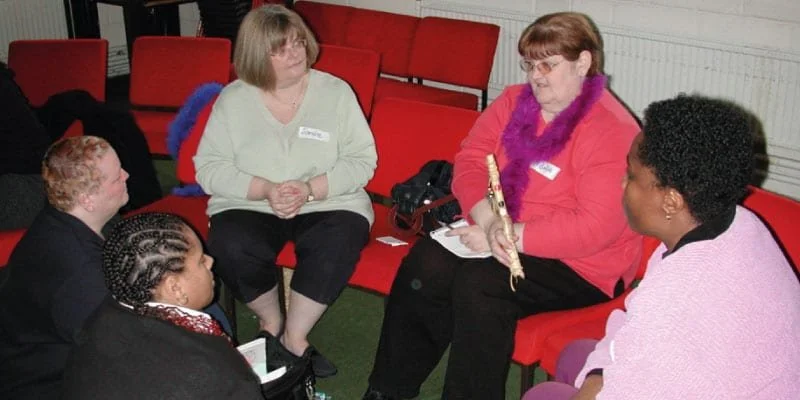
To facilitate a family, in thinking together around a given challenge or issue, or to plan their future together in a respectful way – here is an opportunity to experience for real the person centred, futures planning tool – MAP (Pearpoint, Forest et. al. 1989).
-

Girls Emotional Needs
This workshop gives an opportunity to focus on the emotional needs of girls and how to meet these. We lift the lid on a less well explored inclusion issue, meeting the emotional needs of girls. Everyone knows a girl or woman. They may be pupil, daughter, sister, parent or partner.
-
Graphic Facilitation - An Introduction
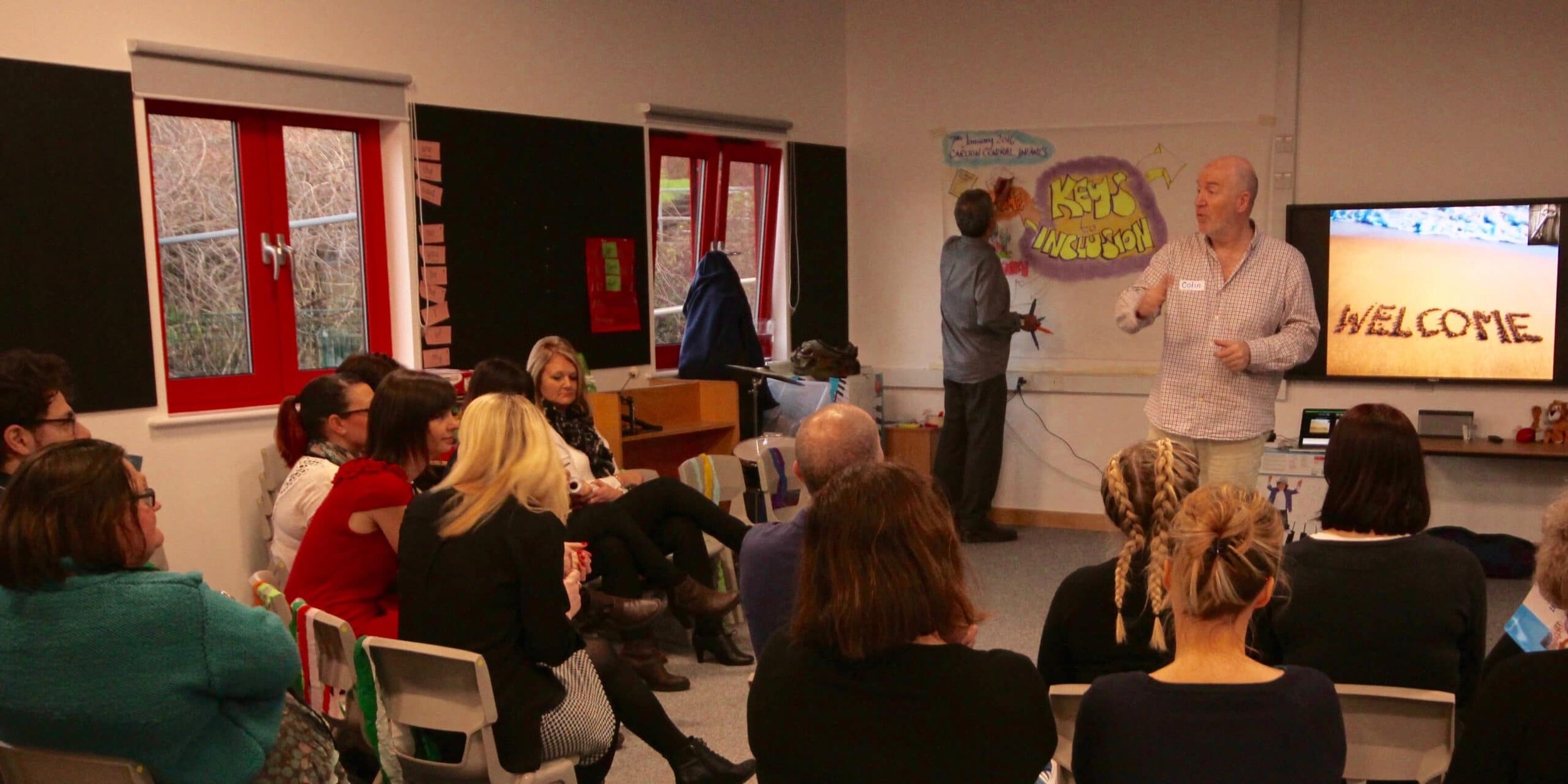
This day will introduce you to the basic techniques and skills involved in doing graphic facilitation. Learn how to use a BIG piece of paper and a handful of pens to create a memorable summary of your training day,team meeting or your work with young people and families. Learn how to harvest the essence of an event in a visual representation.
-
Inclusion Facilitation
Inclusion Facilitation (IF) is an approach to enhancing the inclusion, in a mainstream community of any child or young person who is experiencing difficulties in the world because of disability, personal crisis or because of their challenging behaviour towards others. Inclusion Facilitation is designed to create a better life for an individual by the provision of an intense input designed to being about social change.
-
Inclusion Policies
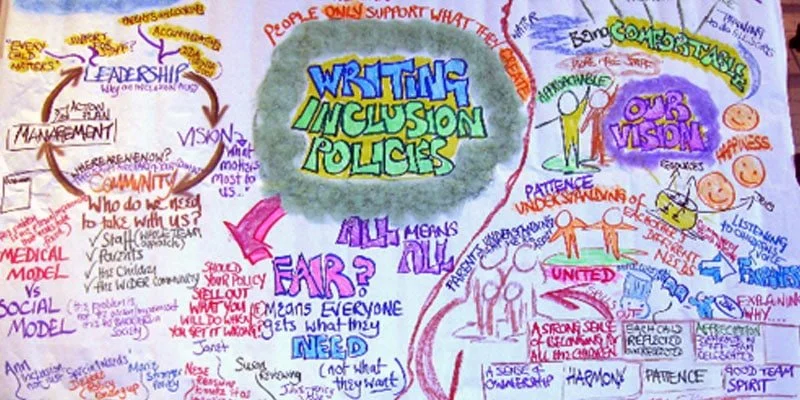
This day is relevant to anyone involved in the task of developing an Inclusion Policy. How to create a real policy built around shared vision with true community commitment. Participate in this very practical workshop to take your first very real steps forward. The day gives those present opportunities to reflect on their attitudes and practice in relation to the inclusion of pupils who are different and the policy and practice which currently exist.
-
Inclusive Classrooms
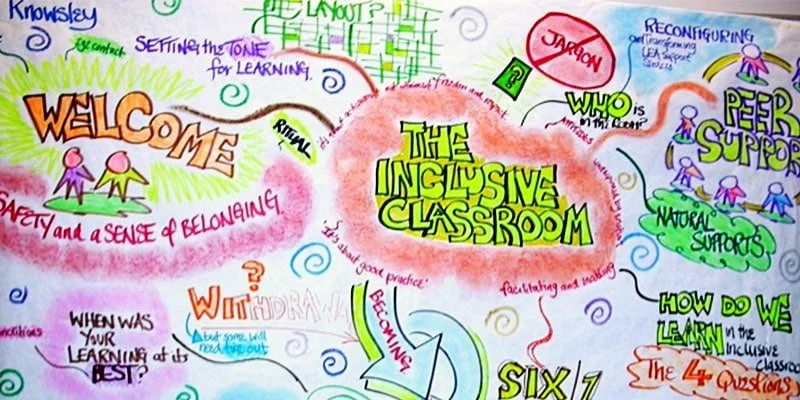
This is our latest lead workshop/training day and is an extremely innovative, participative and practical guide to successfully creating a truly inclusive classroom in mainstream school settings for children and young people of all ages. This engaging day will equip participants with ways of thinking and planning for the inclusion of all pupils within the curriculum.
-
Insights and Solution Circles
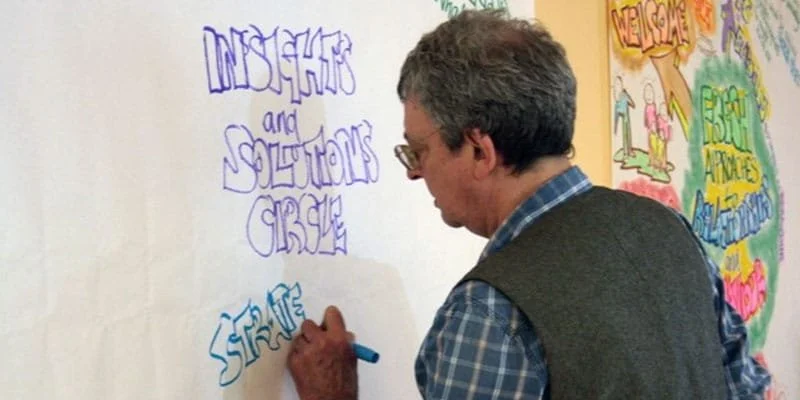
‘Insights and Solutions Circle’ a new expanded version of Solution Circle that uses some of the best of the Circle of Adults process. Its a 50 minute process and works really well with families and professionals! Contact us today for a live demo or training…
-
Keys to Inclusion: The Next Set
So you appreciated a Keys to Inclusion day? Wondering what next? The Next Set follows on from our lead workshop/training day and is both values driven and a practical guide to successful strategies for further developing inclusive practice in educational settings for children and young people of all ages.
-
Leadership For Inclusion
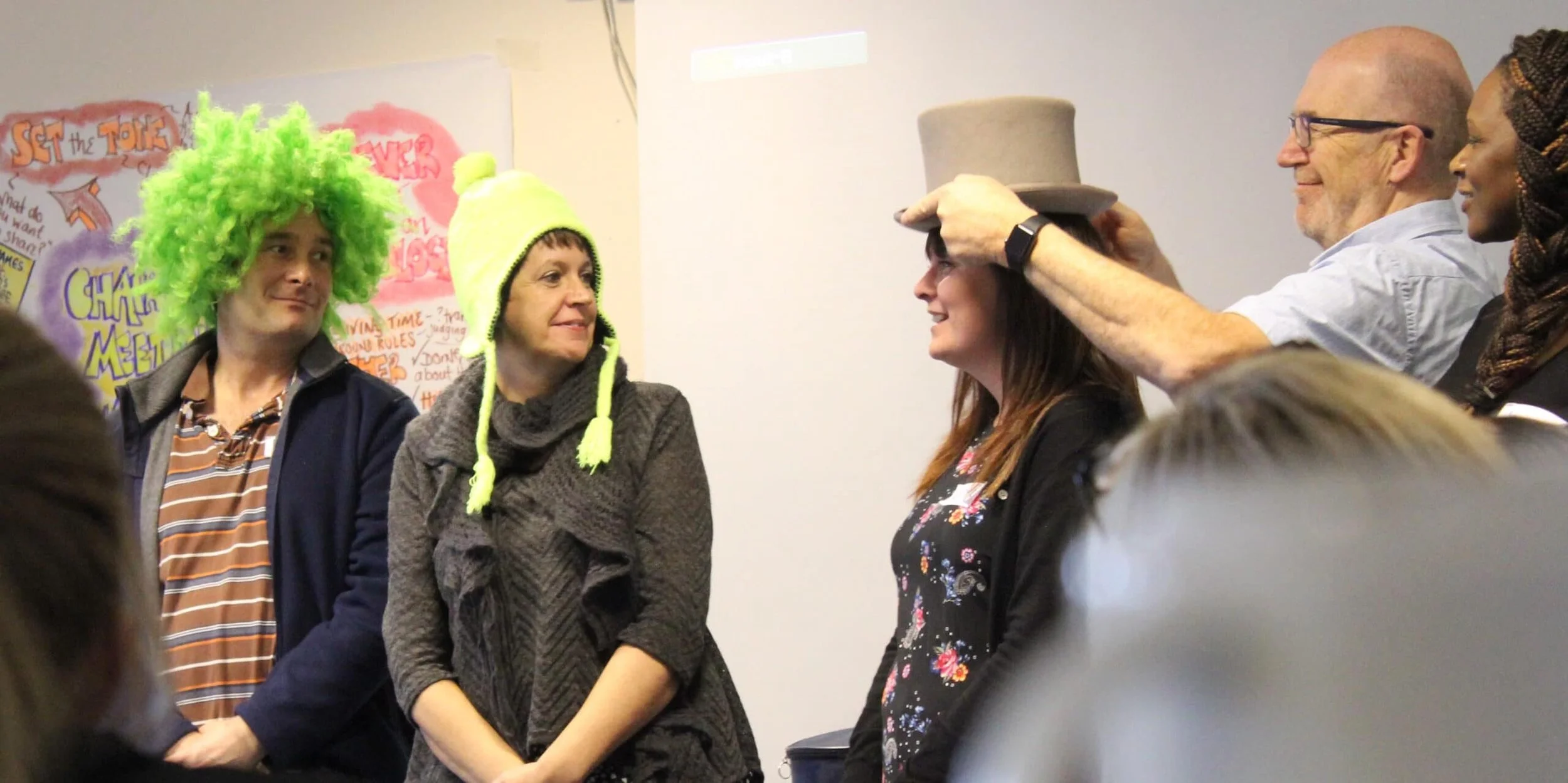
In this lively interactive workshop we will explore the challenges faced by leaders of schools when tackling inclusion issues. We develop the concept of the leader as being central to the web of an organisation and the web of inclusion. Information flows freely to and from the leaders and interconnections are a premium. We explore shared leadership and consensus building using the Native American ‘Medicine Wheel’ to guide and structure our management of change.
-
MAP- Making an Action Plan with Person Centred Proceas
To facilitate a group, family, team or organisation in thinking together around a given challenge or issue here is an opportunity to experience for real the person centred, futures planning tool – MAP (Pearpoint, Forest et. al. 1989). This is a process not a training day. Let us facilitate your planning and refocus your story whilst strengthening you and your group.
-
Mental Health - Meeting emotional needs in Schools
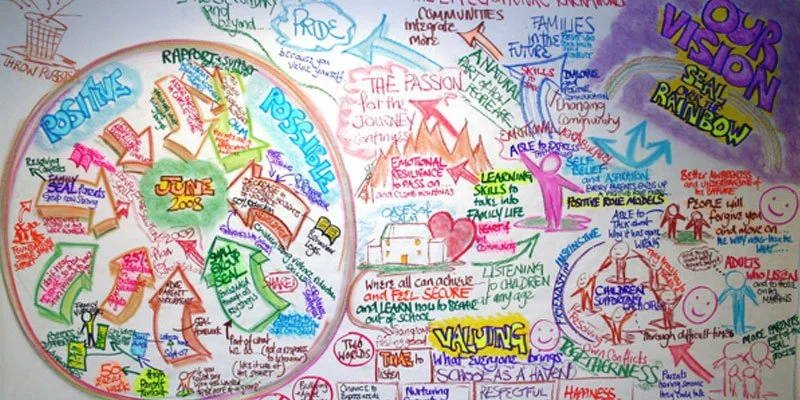
This training gives an opportunity to focus on how to embed effective approaches to meeting emotional needs in schools. We explore a range of ways into meeting emotional needs of pupils across a school. We focus on including pupils with extreme emotional needs.
-

Mental Health- Understanding and Meeting Needs
This is our lead workshop/training day on understanding mental health, behaviour and relationship work in schools other settings and is both a values primer and a practical guide to successful innovative strategies for improving behaviour and strengthening relationships for challenging children and young people of all ages.
-

Movement Differences
In this workshop we explore how to understand movement differences of those with ADHD/Autism, Tourettes or Cerebral Palsy in a non-medical way. Online course coming soon
-
NQT Training - Behaviour Management and Relationship Building
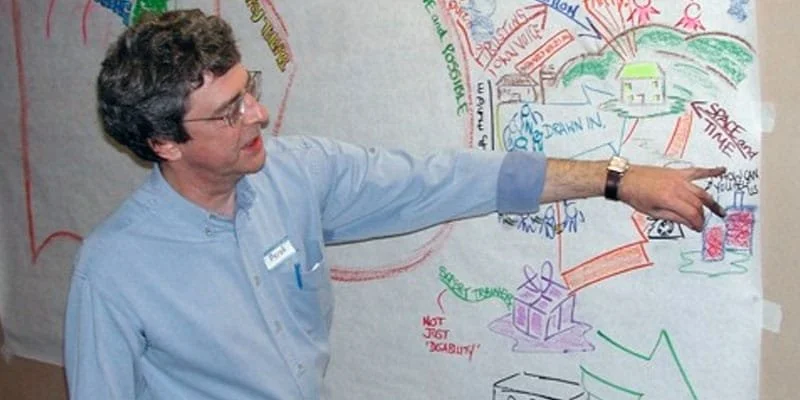
This is our lead workshop/training day on behaviour and relationship work aimed at NQTs. Recent OFSTED changes make Behaviour and Classroom management of NQTs a particular focus for inspections.
-
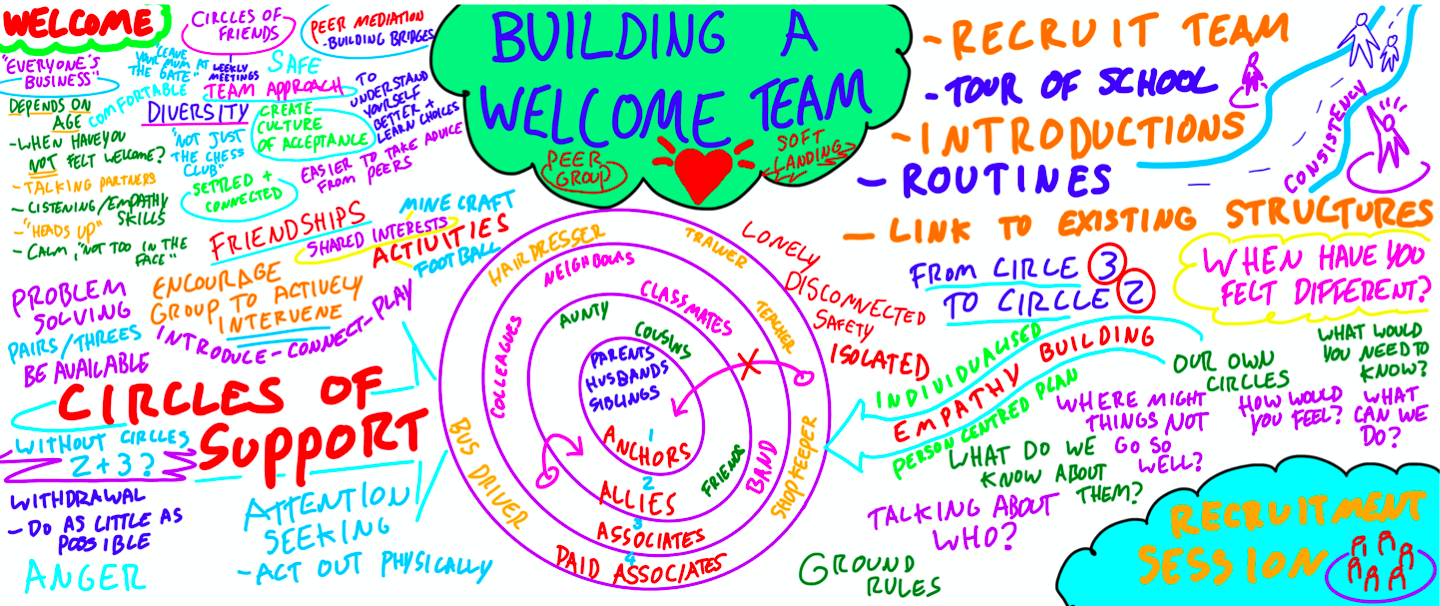
Our Ultimate Guide to Creating a Welcome Team for Vulnerable Arrivals
Learn how to establish a welcoming support network for individuals navigating challenging transitions.
-
One Page Plans
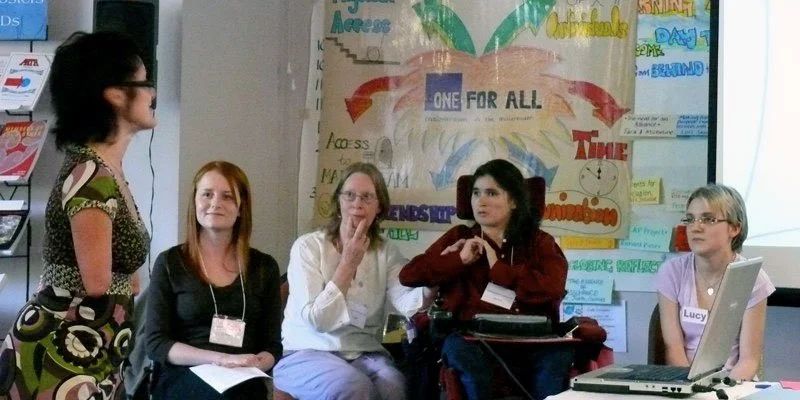
Person centred planning is a way of expressing a set of inclusive values through a unique range of tools and techniques. The most easily used approach is called creating a one page plan or a person centred profile.
-
Parent Solution Circle
In this course we explore how we have attempted to build inclusive circles of support around individuals and contrast this with a radical approach to problem solving with parents – the Parent Solutions Circle. Parent Solutions is a brand new approach to problem solving with parents based on our live group work in schools. A focus on challenging behaviour brings interest, energy and commitment.
-
PATH - Person Centred Planning In Action
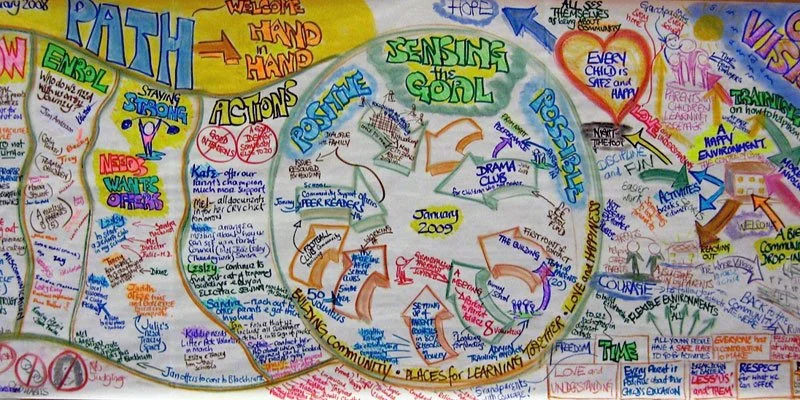
Learn how to facilitate a family, a work team or an organisation to think together around their preferred future or about particular challenge or issue. Here is an opportunity to experience first hand the person centred, futures planning tool – PATH (Pearpoint, Forest et. al. 1989).
-
Peer Mediation
Peer mediation or peer counselling is an approach to impacting on bullying in primary and secondary schools by training pupils to be ‘Peer Mediators’ or ‘counsellors’. This well proven, highly effective method of impacting on school based bullying is still viewed by some as radical. We can provide training for staff or direct training with students across the age range – typically delivered over 6 short high impact, interactive learning workshops.
-
Person Centred Planning Training
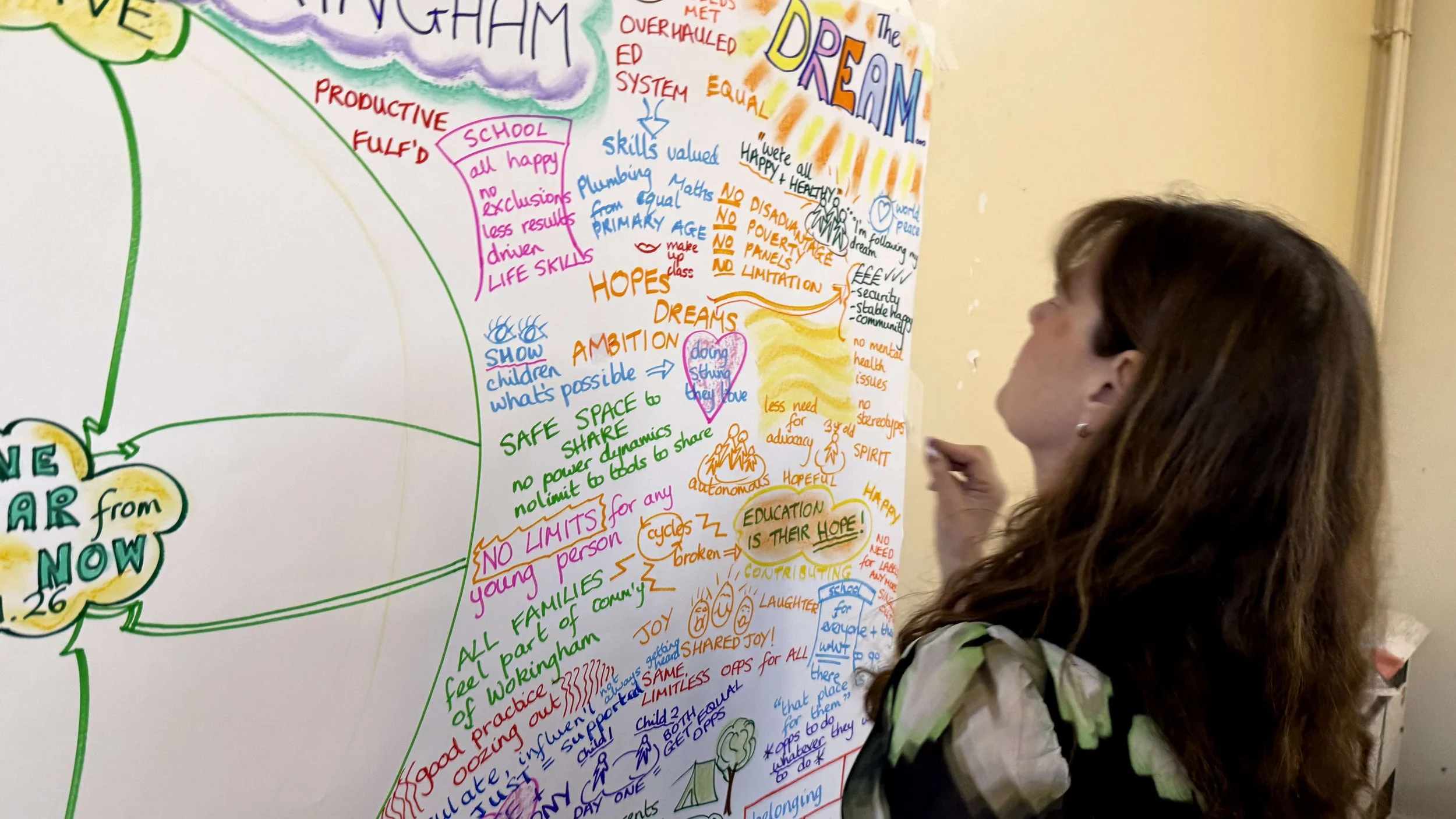
Person Centred Planning (PCP) is a powerful tool for visioning, future planning and team building. It gets everyone on the same page and creates a progressive, constructive atmosphere so it is especially useful for people who are feeling ‘stuck’ or in a really desperate situation. The PCP processes we teach are called “PATH” and “MAPs”, and are both used for different situations.
-
Person Centred Planning Using PATH and MAPs
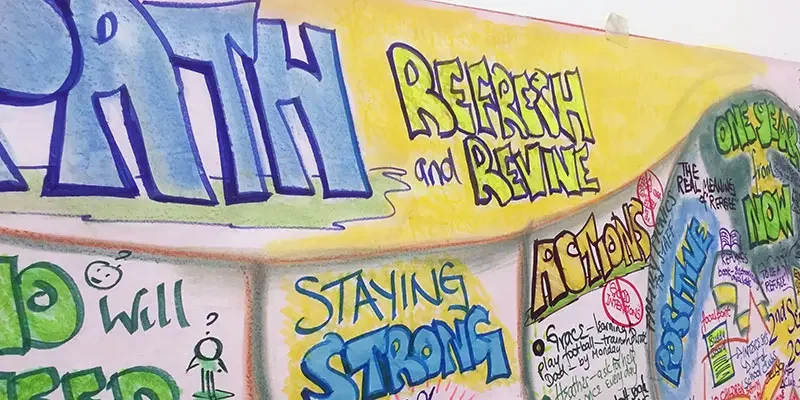
Give your team the opportunity to pause and reflect on what matters most to them about the work they do. The act of listening to each other creates relationship and strengthens trust and inclusion within the team – in creating a shared vision, groups of people build a sense of commitment together.
-
Person Centred Rehabilitation
Person centred rehabilitation is designed to create a better life for an individual by the provision of an intense input designed to being about social change. This usually entails a series of visits focused on getting the person out and about to increase confidence, social skills and presence in their local community and to pursue goals and dreams. Usually, the work is carried out under the close clinical supervision of a practicing psychologist.
-
Person Centred Reviews
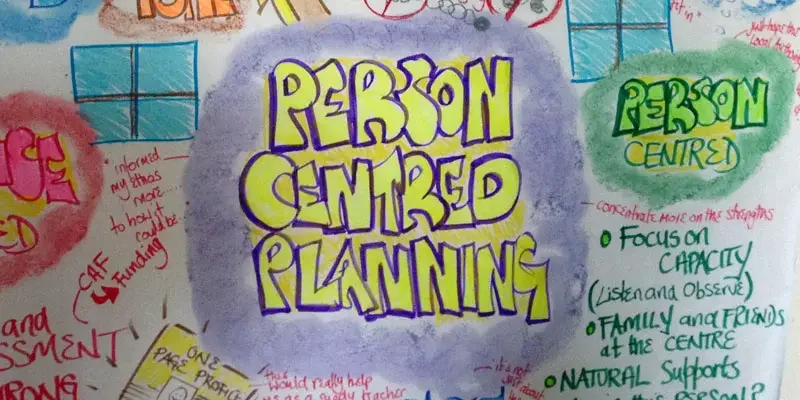
Learn how to carry out a Person Centred Review based on the values of person centred thinking.
-
Person Centred Thinking - Extreme
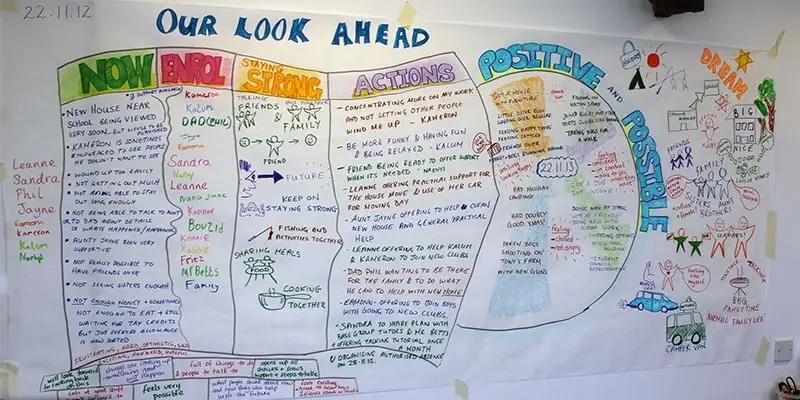
The Extreme Person Centred Thinking Tools are a set of tools to support dreams, build relationships and connections and promote capacity thinking. The aim of the extreme person centred thinking tools training is not to teach people how to facilitate plans, instead it is about sharing tools that can be used to listen and reflect and creatively involve people in planning their own lives.
-
Problem Solving Tools and Techniques
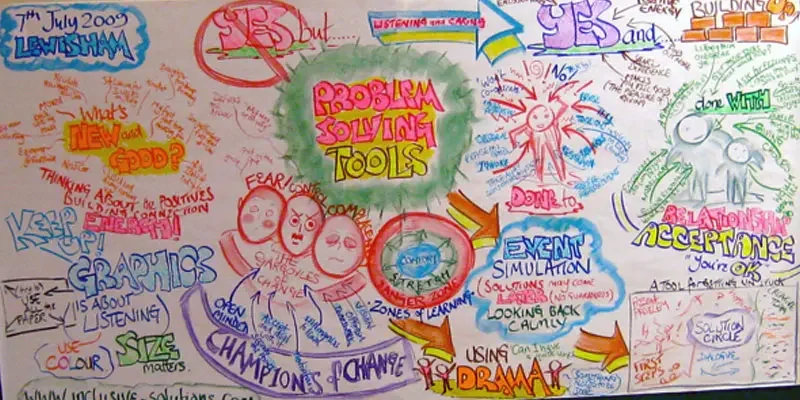
In this practical workshop session we will explore ways of problem solving around complex situations. The session will be practical and will aim to allow the sharing of experiences and good practice as well promoting innovative approaches to problem solving around systemic, organisational as well as individual inclusion issues.
-
Pupil Participation: Listening to the Powerful Voice of Young People
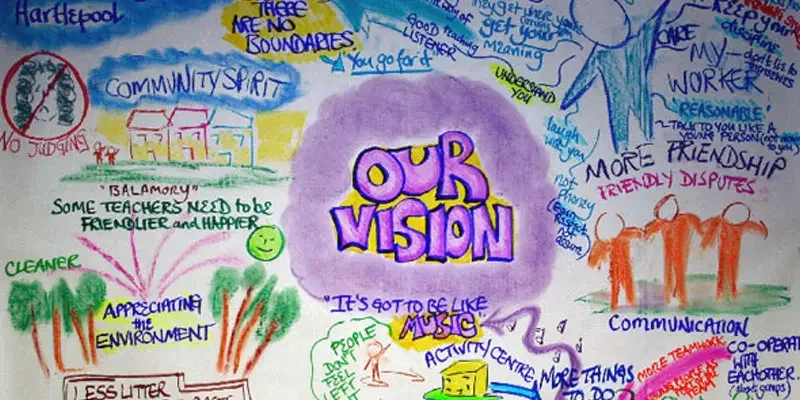
Local authorities are being encouraged to seek the views of young people in relation to the services they receive. Schools and the whole range of support services (e.g. behaviour support, youth offending teams, social services, CAMHS etc.) are being expected to routinely ask young people for their views. This goes beyond involving young people in plans that concern them e.g care plans, individual education plans, pastoral support plans etc.
-
Racism - Acknowledging and Understanding
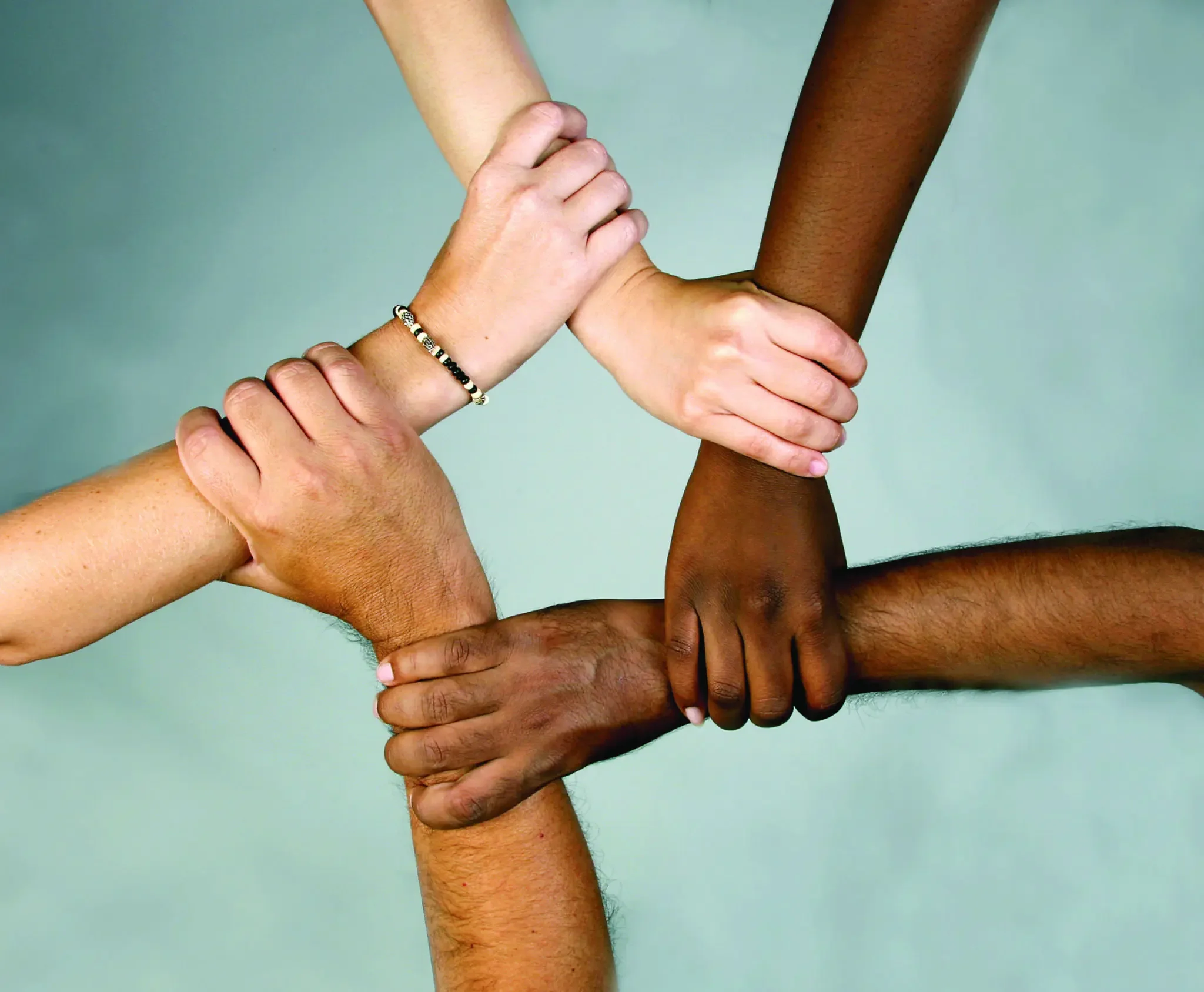
In this course we deepen participants understanding of systemic racism and the spectrum of privilege. It challenges the participants to examine their behaviours and take close looks at some of the views they have held since a very young age, e.g. this area is a “bad” area, because it has a high proportion of black/brown people living in it, or that young black men in tracksuits are “thugs”. We think about where these messages come from and how people are indoctrinated by the media.
-
Racism - How to Identify and Intervene Respectfully
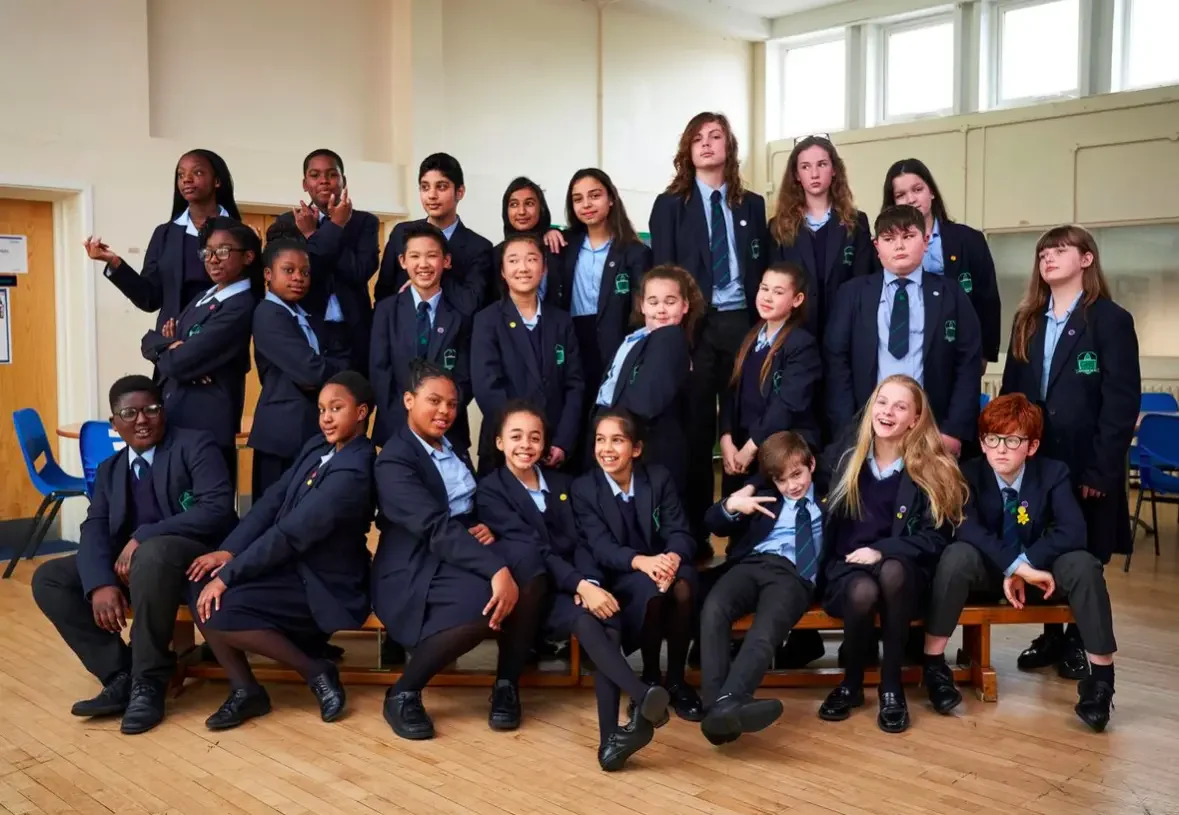
This course is an exploration of our understanding of structural racism in the UK and provides a good foundation for anyone wanting to be a responsible ally. Are you working with young people, but struggling with conversations about race? Are you worried that you have been getting it wrong when it comes to race? Do you have questions about race that you are afraid to ask? This course is for you.
-
Restorative Justice
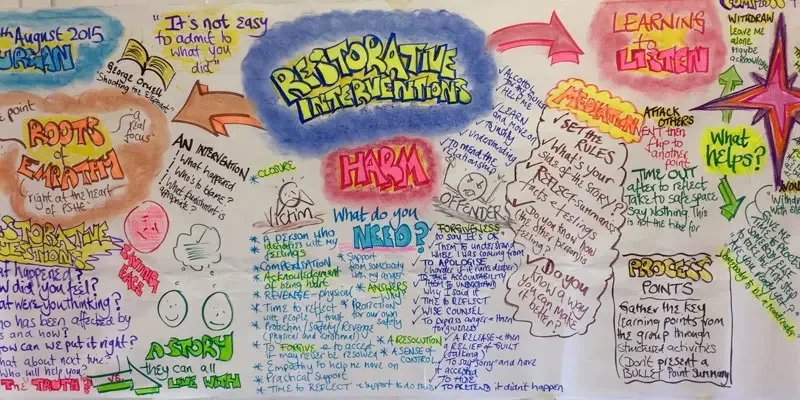
A “Restorative Solution” is a non-adversarial approach to conflict resolution where the person who has done something wrong in a given situation becomes accountable to those s/he has harmed. This person is then given the opportunity to “make up” for their inappropriate behaviour through agreement and reparation. An intervention can involve a formal conference, or it can be a simple conversation on a corridor or playground.
-
School Improvement Planning
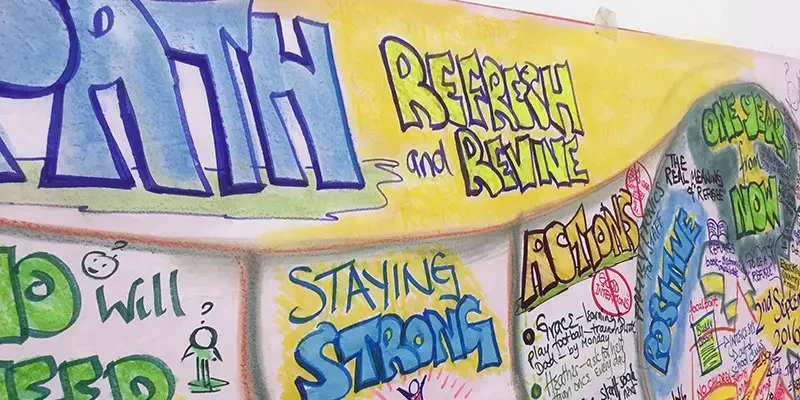
Give your team the opportunity to pause and reflect on what matters most to them about the work they do. The act of listening to each other creates relationship and strengthens trust and inclusion within the team – in creating a shared vision, groups of people build a sense of commitment together. Using the PATH or MAP processes of group facilitation and the creating of a large wall sized graphic we will provide a School Improvement Plan to be proud of!
-
Solution Circles
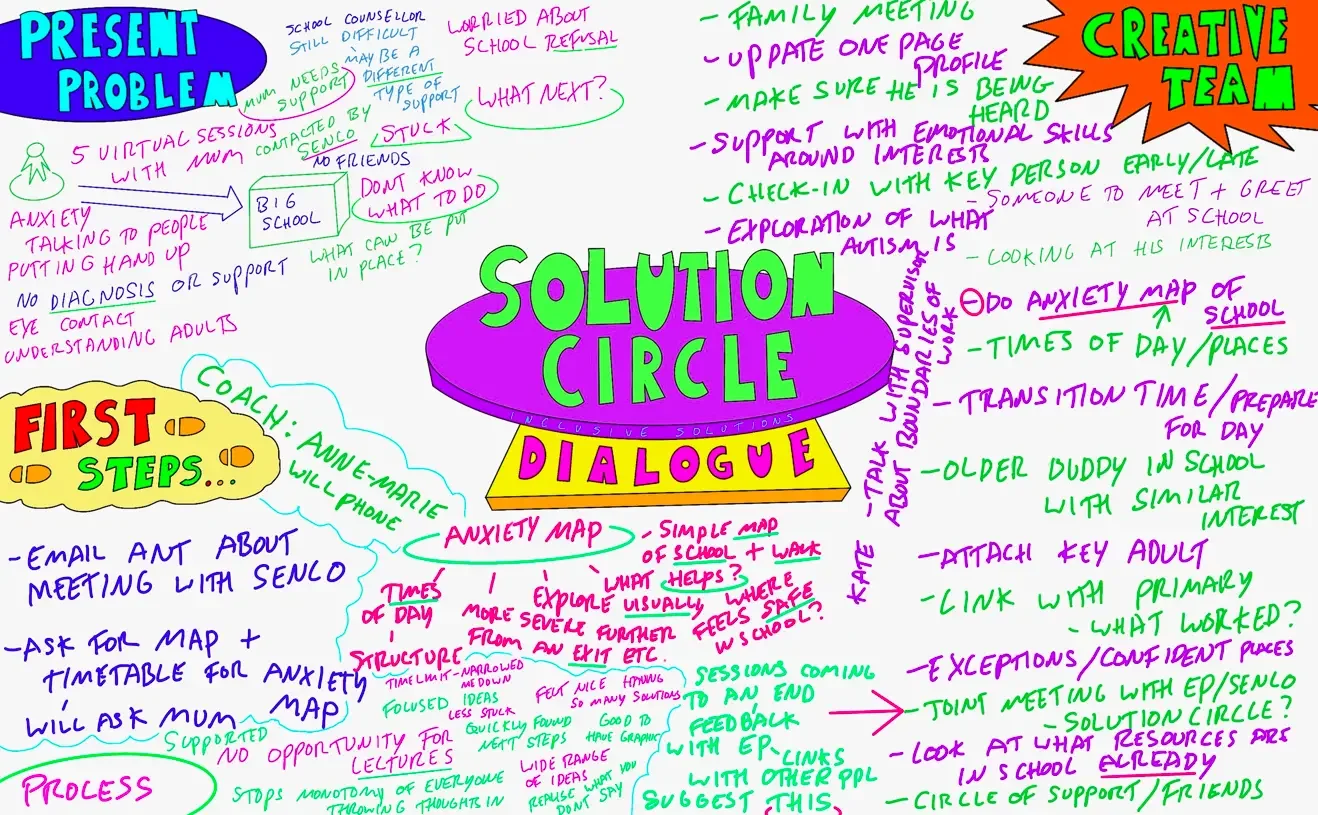
A Solution Circle is a 30 minute creative Problem Solving Process for getting unstuck…Ideal for busy people! lt was designed by Marsha Forest & Jack Pearpoint. This is a short and powerful tool. It is effective in getting “unstuck” from a problem in life or work. Solution Circles are tools of “community capacity”. It assumes and demonstrates that nearby people – in any community or work place have the capacity to help – if asked. It requires a person to ASK – not an easy thing in our culture of privacy and “do it alone”. This tool puts all the values we espouse into practice and demonstrates that TOGETHER WE’RE BETTER.
-

Support and Supervision for Leaders
Many leaders and managers working on the front line of inclusion lack emotional support from Local Authority staff or anyone else despite the challenging nature of their work. There is a massive need for active listening, containment and opportunities to problem solve and reflect confidentially with someone trusted.
-
Teams: Building Creative Teams
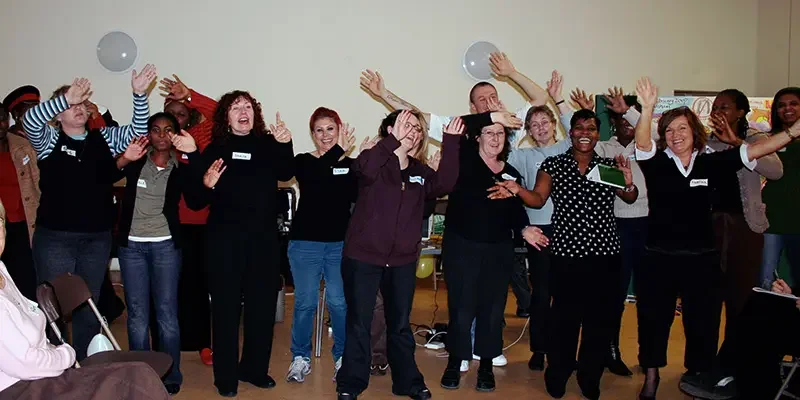
In this practical and engaging workshop there is input on team building, problem solving as a team, improving communication and handling conflict. This is participatory day of paper, pens, graphics, music and activity. There are no PowerPoint slides or even a projector and screen!
-
Training the Trainers
Come backstage! – This day will explore the processes underlying our inclusive training. We are often asked how we do what we do on our training days and in response we have put together this new training day. If you are looking to reinvigorate your approach to training this is the day for you.
-
Transition Strategies
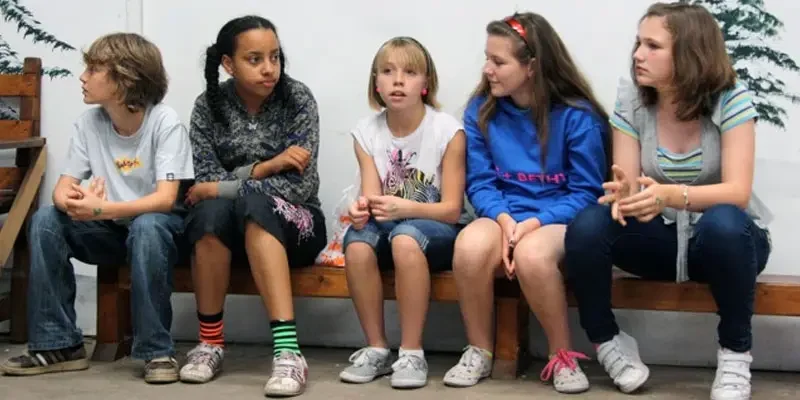
One of the most frequent telephone queries we receive at Inclusive Solutions is from parents whose disabled son or daughter is about to make the transition from Primary to Secondary School. Typically there is a tale to be told of LA planning procedures that are too little and too late, and a severe lack of confidence from all parties that the transition will be successful. Little wonder that transfers from mainstream to special schools continue to peak at Year 7!
-

Impact of Trauma - Understanding Better to Include Better
This is a practical ‘non-medical’ day for front line practitioners working with children and young people who have experienced serious trauma in their life. We work to strengthen understanding of children who have faced issues of trauma emerging from abuse, violence, loss and family breakdown.
-
Unconscious Bias Towards Racism
Unconscious biases are social stereotypes about certain groups of people that individuals form outside their own conscious awareness.
-
Visioning and Goal Setting
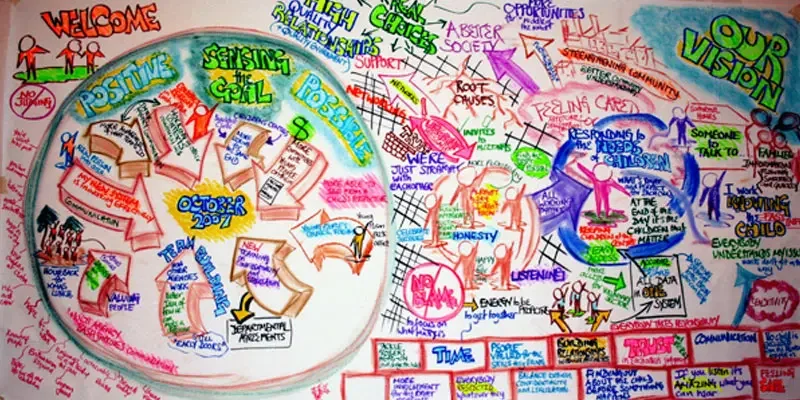
Let us join you to explore your vision and the ‘roadblocks’ to your vision. Creating the vision is the heart of the session and depending on your needs we can add some or all of the following activities to strengthen the vision and clarify what actions the team will take in moving towards it.
-
Welcome Teams
This is a workshop focused on getting the welcome right for children who are starting for the first time at a new school when we know the welcome will be difficult. Perhaps they have been excluded from elsewhere, they are new to this culture, they have complex needs or they are just very different or highly anxious?
-
What is Learning?
-
Working with Parents and Carers
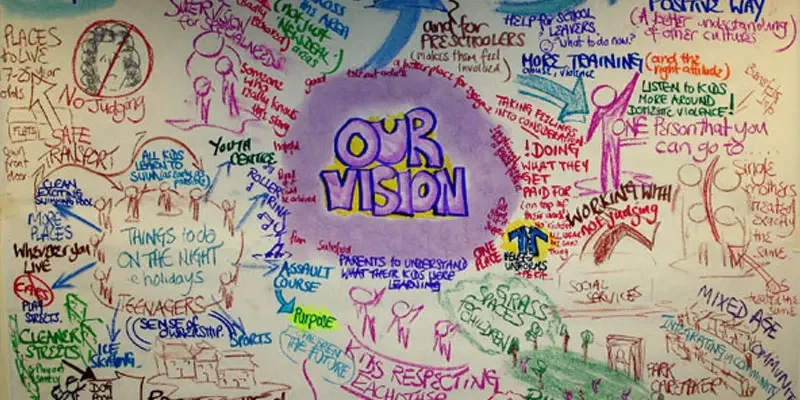
In this practical and engaging workshop there is input on building an effective team around a child, problem solving as a team, improving communication and handling conflict. Communication with parents, problem solving and collaborating is explored. Empathy with parents who are ‘labelled’ is encouraged.