
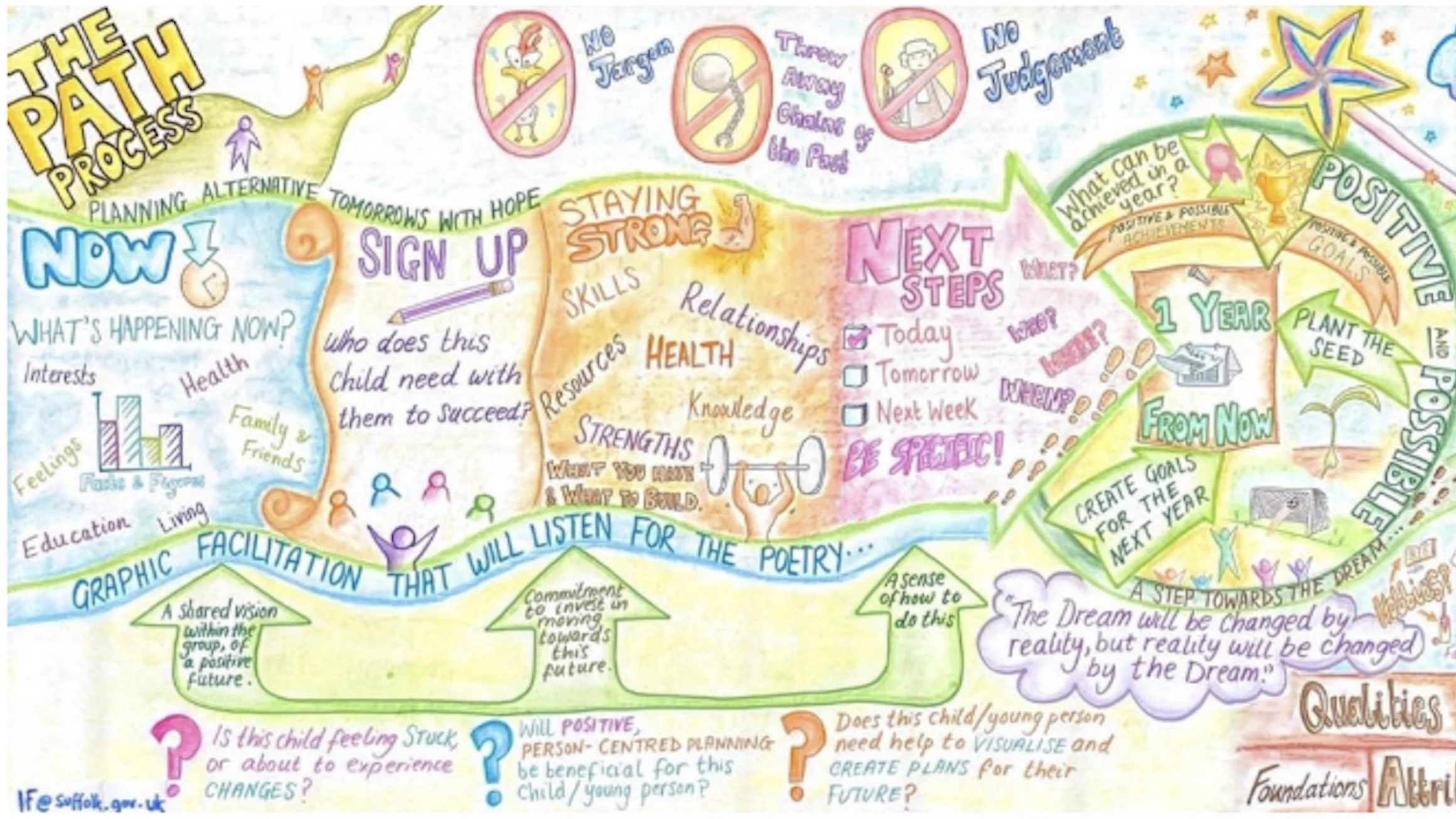
PATH: Planning Alternative Tomorrows with Hope
A Person-Centred Planning Process for Creating Meaningful Futures
PATH (Planning Alternative Tomorrows with Hope) is a powerful person-centred planning process that helps individuals, families, teams, and organisations create a compelling vision for the future and identify practical steps to achieve it.
Developed by Jack Pearpoint, Marsha Forest, and John O'Brien, PATH combines creative thinking, deep listening, and collaborative action planning to move people from where they are now towards the life they want.
Whether you are supporting a young person in transition, planning for a more inclusive future, developing a team, or pursuing a personal goal, PATH creates clarity, momentum, and hope.
What is PATH?
PATH is a facilitated graphic planning process that brings together the person at the centre, alongside people who know and care about them, to explore:
Dreams and aspirations
Strengths and gifts
Relationships and support networks
Challenges and obstacles
Practical actions and commitments
The result is a visual roadmap that inspires action and helps people move towards their desired future.
MORE ABOUT THE COURSE
-
PATH is a creative planning tool that utilises graphic facilitation to collect information and develop positive future plans.
PATH goes directly to the future and implements backwards planning to create a step by step path to a desirable future. (Inclusion Press, 2000). These tools were developed by Jack Pearpoint, Marsha Forest and John O’Brien to help marginalised people be included in society and to enable people to develop a shared vision for the future.
PATH can be used with individuals and their circle of support, families teams and organisations.
Both MAP and PATH are facilitated by two trained facilitators – one process facilitator who guides people through the stages and ensures that the person is at the centre and one graphic facilitator who develops a graphic record of the conversations taking place in the room.
Follow the link below to read a detailed thesis by Dr Margo Bristow on the use of PATH by educational Psychologists in the UK.The findings indicate that PATH impacted positively and pupils attributed increased confidence and motivation to achieve their goals to their PATH. Parents and young people felt they had contributed to the process as equal partners, feeling their voices were heard. Improved pupil- parent relationships and parent-school relationships were reported and the importance of having skilled facilitators was highlighted. Although participants were generally positive about the process, many felt daunted beforehand, possibly due to a lack of preparation. Pre-PATH planning and post-PATH review were highlighted as areas requiring further consideration by PATH organisers. Recommendations to shape and improve the delivery of PATH are outlined together with future research directions.
-
To create a shared vision
To name shared goals
To enrol others
To strengthen the group
To explore connections and needs
To specify an Action Plan
To create a visual graphic record of the whole event
-
Individuals and Families
Life transitions
Education planning
Employment goals
Independent living
Building community connections
Schools and Educational Settings
Transition planning
Student-centred learning
Inclusion planning
Strength-based support
Organisations and Teams
Strategic planning
Culture change
Vision development
Community engagement
Communities
Collective action
Inclusive community development
Partnership building
How to Get Started with PATH
-
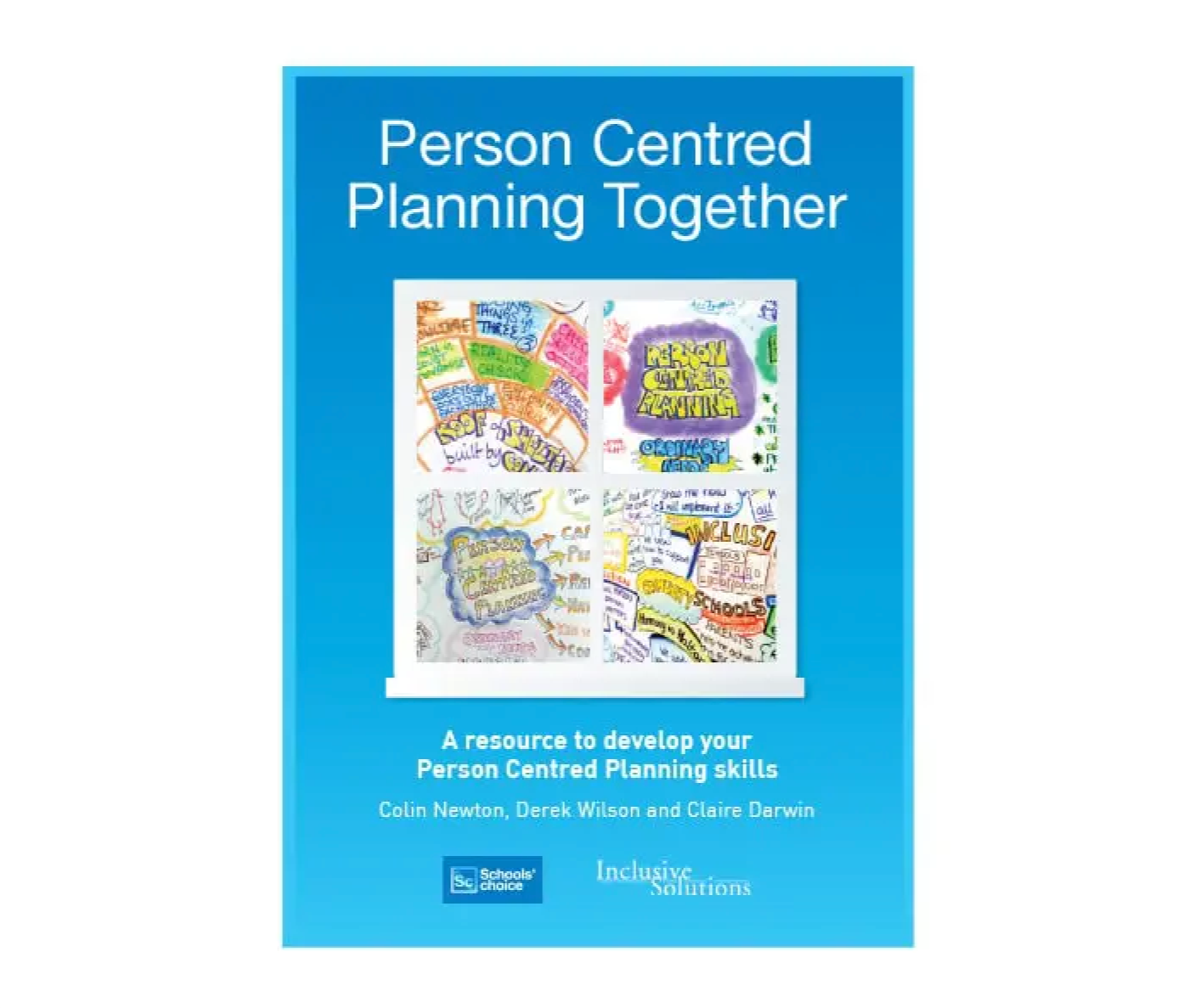
Person Centred Planning Together Book
This book explores Person Centred Planning, a transformative approach that empowers individuals to shape their own lives, rather than being directed by service systems. Focusing on tools like MAPS and PATH, it offers practical guidance for effective, inclusive planning with skilled facilitation and meaningful participation at its core.
-
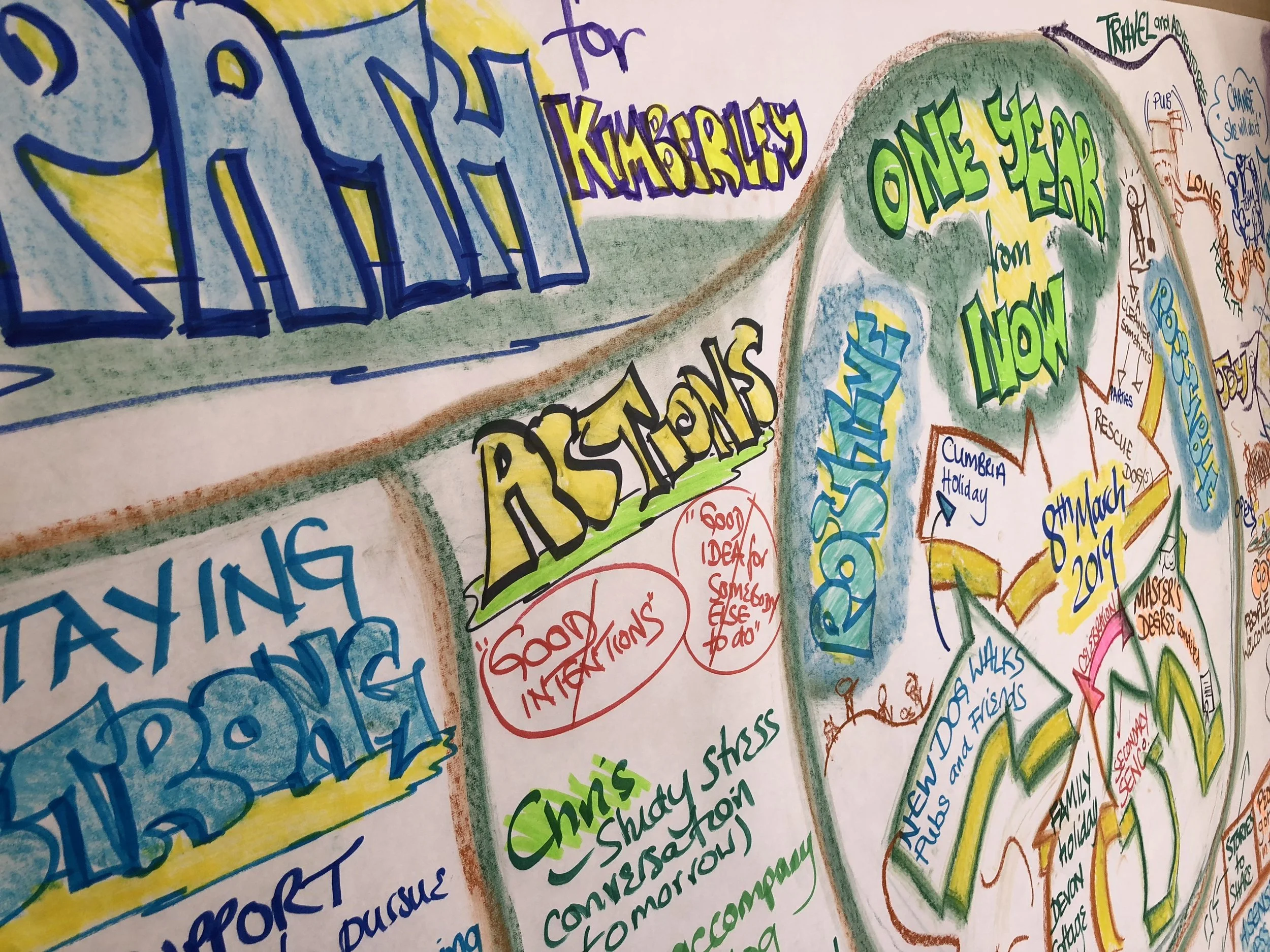
Self Paced Online Learning
Learn how to facilitate PATH, a powerful Person Centred Planning tool, through this practical online course. Designed for educators, support workers, and facilitators, the course covers each step of the PATH process, offering real examples, downloadable resources, and strategies to empower individuals to plan meaningful, self-directed futures.
-
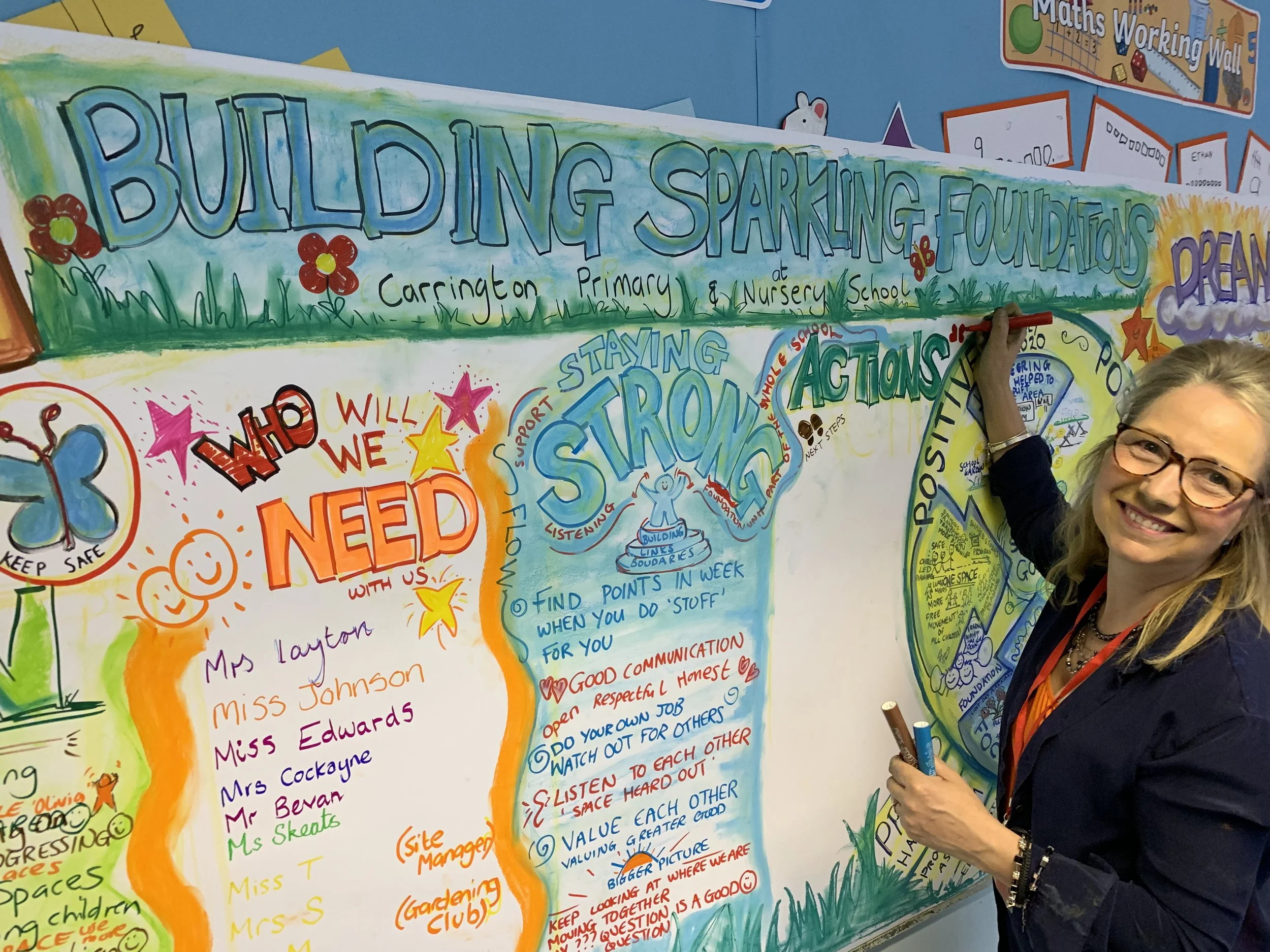
Facilitated Process
Our team will lead a live PATH session—a powerful visual planning process that supports individuals or groups to map out positive futures. With skilled facilitation and graphic recording, they guide participants through each step, turning dreams and goals into clear actions, shared understanding, and committed support.
-
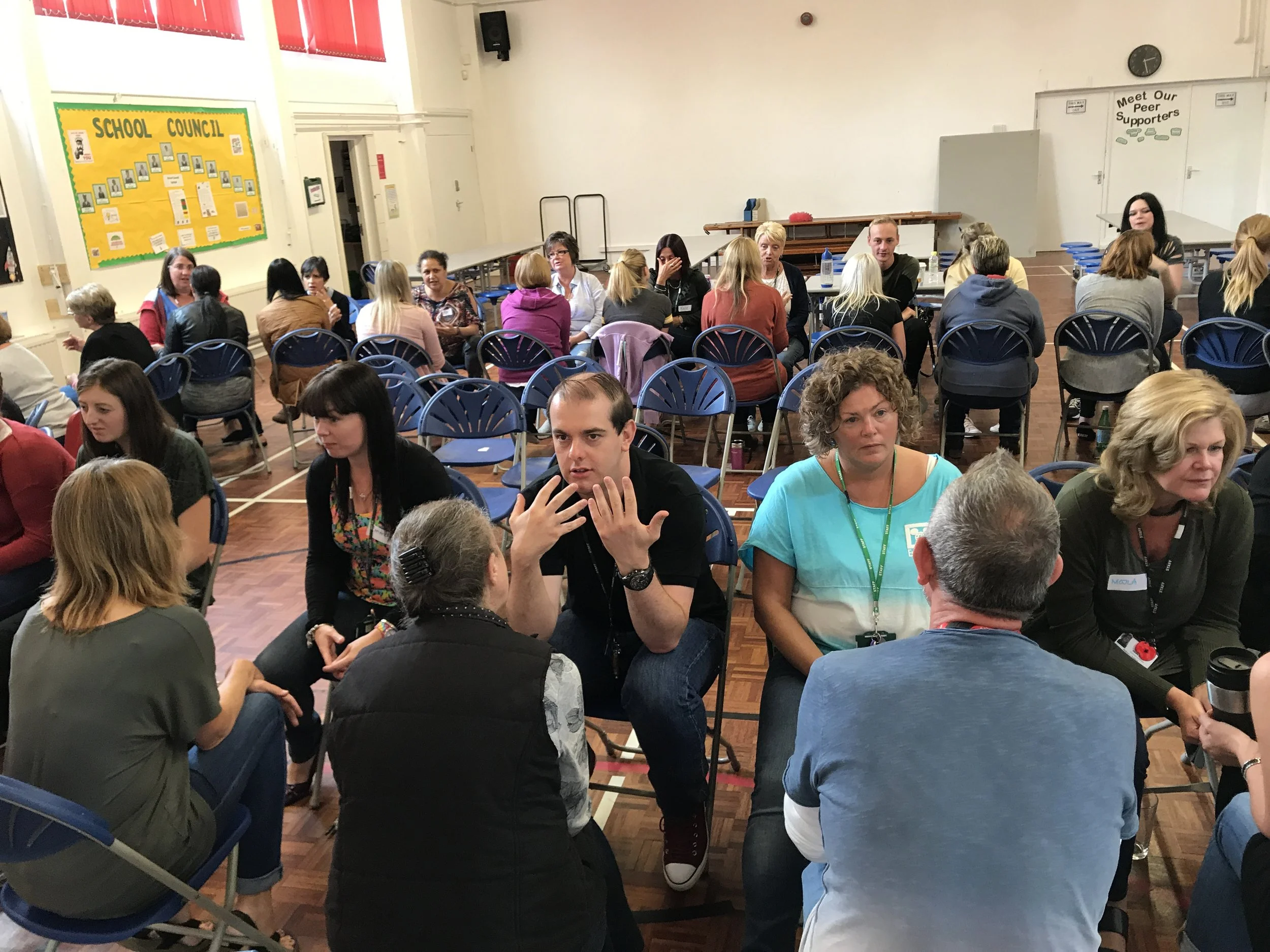
In Person Training
This in-depth, in-person training teaches participants how to confidently facilitate and graphically record PATH sessions. Our team will provide step-by-step instruction, modelling best practice and offering hands-on experience. Trainees leave equipped to lead inclusive, person-centred planning that inspires action and supports people to move towards meaningful life goals.
-
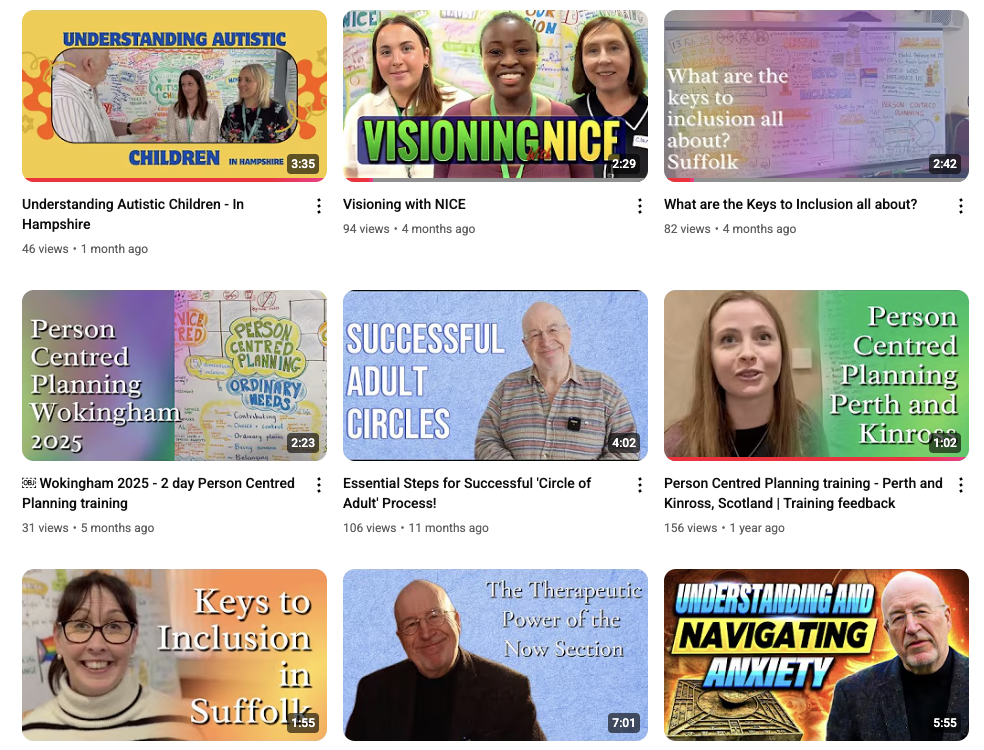
Hear From Others
Watch this video to discover how the Keys to Inclusion course inspires real change. Hear firsthand reflections from participants in a session led by Colin and Jacqui Newton in County Durham, as they share insights, challenges, and the impact of exploring practical strategies for creating truly inclusive environments.