Brain Injury
For over 10 years, Inclusive Solutions has supported children, young people and adults living with brain injury. Working with solicitors, case managers and families nationwide, we provide inclusive, person-centred rehabilitation that focuses on strengths, survival and the future - not just the medical side of recovery.
Our team includes:
Educational Psychologists – experts in inclusive rehabilitation, assessments, and person-centred planning.
Inclusion Facilitators – carefully matched to each client’s background and interests, helping young people build confidence and connection.
Social Workers – supporting wellbeing, inclusion and long-term progress.
We believe in seeing what’s possible, not just what’s broken.
A bit more detail below…
Person Centred Rehabilitation with Inclusion Facilitation
Person centred rehabilitation involves personalised inclusion facilitation and is designed to create a better life for an individual by the provision of an intense input designed to being about social change. This usually entails a series of visits focused on getting the person out and about to increase confidence, social skills and presence in their local community and to pursue goals and dreams. Uniquely, the work is carried out under the close clinical supervision of a practicing psychologist.
Inclusion Facilitation aims to:
Create a better life for the Individual.
Give Individual and family a clear vision of a good life and to support first steps towards this
Maximize individual’s inclusion and connection with the wider community.
Help with friendship, social connection and education
Increase confidence, social skills and presence in their local community and to pursue goals and dreams.

How Does Inclusion Facilitation Work?
‘We do whatever it takes!’
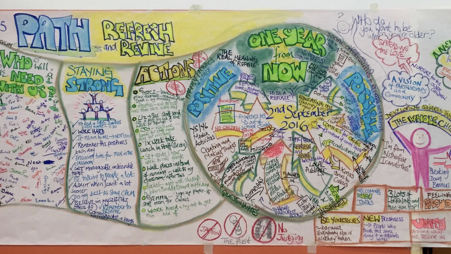
Usually a Person Centred Planning event would be carried out using the PATH or MAP process – majoring on dreams and goal setting leading to precise action planning. Person Centred Planning
An experienced psychologist alongside the inclusion facilitator would carry out the PATH. A large graphic will be one of the outcomes of the meetings this is a great visual record and a shared memory of the event. This will also inform the priorities for the inclusion facilitation work.
Following the PATH event a ‘scoping report’ is created outlining what Inclusion Facilitation could offer and highlighting what dreams and goals the individual has.
The PATH also provides a good opportunity for the Facilitator to meet the focus person in a comfortable positive environment.
8 weekly visits from the Inclusion Facilitator followed by 5 monthly visits is our preferred model but we can be flexible with the delivery of this input. This is just a guideline, however we have received good results using this time frame.
After this intensive input the Inclusion Facilitator will hand over to the existing family, carers and PA team to carry on where he or she has left off. This transition time is planned from the outset.
An experienced psychologist is there to support the facilitator at all times and will guide all work done by the inclusion facilitator.
Is This Just Support Work?
No — it’s proactive, intensive and person-centred.
Our Inclusion Facilitators don’t simply respond to requests. They actively work toward creating a good life for each individual.
What we do:
Research personal interests and local opportunities
Carry out community mapping
Support individuals to overcome resistance or social anxiety
Build bridges with people and places the individual wants to connect with
Create circles of support and conditions where friendships can grow
Provide ongoing psychological supervision and guidance
Deliver short-term, focused and intensive support
What the Facilitator Works On
Depending on a person’s goals, support may include:
Pursuing personal hopes, dreams and interests
Developing social and conversational skills
Increasing confidence in social environments
Building positive mindset and body language
Supporting physical activity
Forming new relationships and meeting people
Creating natural circles of support and community connections
Building business or employment links
Budgeting and practical life skills
Recruiting and supporting staff when needed
Overall aim: to improve quality of life in a holistic, person-driven way.
For enquiries:
Phone: 0115 9556045
Email: inclusive.solutions@me.com