

Inclusion Facilitation
What makes Inclusion Faciliatation (IF) different?
Inclusion Facilitation is not a traditional support service. It’s a completely different way of working with young people — one based on human rights, person-centred practice, and inclusion, rather than deficits or “fixing” problems.
This shift mirrors the values behind Article 24 of the UN Convention on the Rights of Persons with Disabilities, which highlights access to inclusive education as a foundation for a good life. Making this shift isn’t simple or quick, which is why IF workers receive extensive training, guidance and supervision.
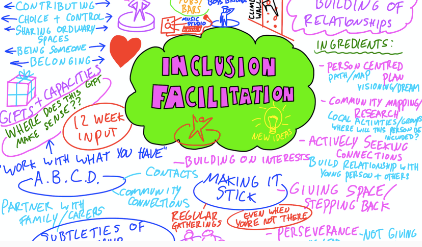
What Makes IF Person-Centred?
Person-centred work is often misunderstood as simply gathering a young person’s views. In reality, it is much deeper. It’s a values-driven approach rooted in inclusion, social justice and the belief that every young person has gifts, potential and a right to a full life.
Here’s what person-centred practice looks like in IF:
1. Acceptance and high expectations
We start from the belief that there are many ways to be “normal”. We recognise each young person is doing their best with the resources they have — but we also believe in their potential, their strengths and the gifts they have yet to develop.
2. Relationships come first
Many young people supported through IF have very limited social circles, often made up only of family and paid professionals.
IF workers focus on:
building real relationships
expanding social networks
connecting young people to their communities
This isn’t about joining groups based on labels — it’s about finding genuine, meaningful human connections.
3. Focus on contribution
Person-centred practice sees the young person as someone who can contribute, not just someone who needs help. Contributions can be big or small, expected or surprising — but they matter.
4. Tools that bring the young person’s future to life
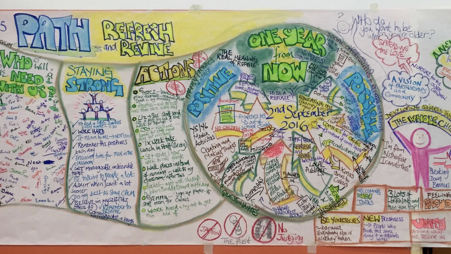
IF uses visual, strengths-based planning tools such as PATH and MAPS, which help imagine preferred futures and plan practical steps to get there.
Why IF Matters
For many young people, especially those with multiple diagnoses, life can become dominated by withdrawal, fear, refusal or disengagement. Traditional approaches often reach a dead end.
IF offers:
fresh insight
new pathways forward
reconnection with community
and a belief in possibility
It opens doors where old systems have stopped working.
Inclusion Facilitation Job Description
Inclusion Facilitation is designed to create a better life for an individual by the provision of an intense input designed to being about social change. This usually entails a series of visits focused on getting the person out and about to increase confidence, social skills and presence in their local community and to pursue goals and dreams. Uniquely, the work is carried out under the close clinical supervision of a practicing psychologist.
Inclusion Facilitation aims to:
To create a better life for the Individual.
Give Individual and family a clear vision of a good life and to support first steps towards this
To maximize individuals inclusion and connection with the wider community.
To help with friendship, social connection and education
To increase confidence, social skills and presence in their local community and to pursue goals and dreams.
How Does IF Work?
“We do whatever it takes.”
Inclusion Facilitation begins with a Person-Centred Planning session using tools such as PATH or MAPS. These sessions focus on the individual’s dreams, goals and preferred future, leading directly to practical, achievable actions.
1. The PATH Meeting
An experienced psychologist works alongside the Inclusion Facilitator to run the PATH process.
The outcomes include:
a large visual graphic capturing dreams, goals and next steps
a shared record of the meeting
clear priorities for the facilitator’s work
It also gives the facilitator a chance to meet the person in a positive, relaxed environment.
2. The Scoping Report
After the PATH session, a scoping report is created. This outlines:
what Inclusion Facilitation can offer
the key goals identified by the young person and their network
the initial plan for moving forward
3. The Facilitation Phase
Our preferred model is:
8 weekly sessions, followed by 5 monthly sessions
This structure has proven effective, though we can tailor it to the individual’s needs.
After this intensive phase, the facilitator gradually hands over to families, carers, and PA teams, ensuring everyone is confident to continue the work. The transition is planned from the start.
Throughout the process, the facilitator receives ongoing supervision and guidance from an experienced psychologist.
Is This Just Support Work?
Absolutely not.
Inclusion Facilitation is proactive, creative and hands-on. We don’t wait to respond to problems — we work to build the conditions for a good life.
What we do includes:
researching personal interests and local opportunities
community mapping
helping the person overcome hesitation or anxiety around social engagement
building bridges in community settings
creating and strengthening circles of support
encouraging environments where friendships can grow
ensuring consistent psychological support throughout
This work is short-term, focused, and transformative — designed to open doors, build confidence and connect the person with the wider world.
Pursuing the dreams and goals of the individual
The facilitator’s aims will be to improve all aspects of the focus person’s life this may include:
Having a positive mindset
Improving social skills
Staying physically active
Being comfortable in social environments
Building relationships
Developing conversational skills
Help in meeting new people
Create natural circles of support
Creating a community circle
Creating business links
Help with budgeting
The facilitator’s main aims will vary depending on the dreams and goals of the focus person. The basic aim of the inclusion facilitator is to better the focus person’s quality of life.
Phone: 0115 9556045 or email: inclusive.solutions@me.com to talk this through.
Hear this young man’s feedback after 8 weekly visits from our Inclusion Facilitator Louis
Download ‘Common Threads Changing Stories … Stories of Change’ a conference on Independent Facilitation, sponsored by The Ontario Independent Facilitation Network, by John O’Brien.
Having positive body language
Employment of support staff
Hear Louis Newton’s tips for IF along with his first experiences as a facilitator
Pursuing personal interests