
Check out our great selection of books and resources
Practical books and guides written or chosen by our team.
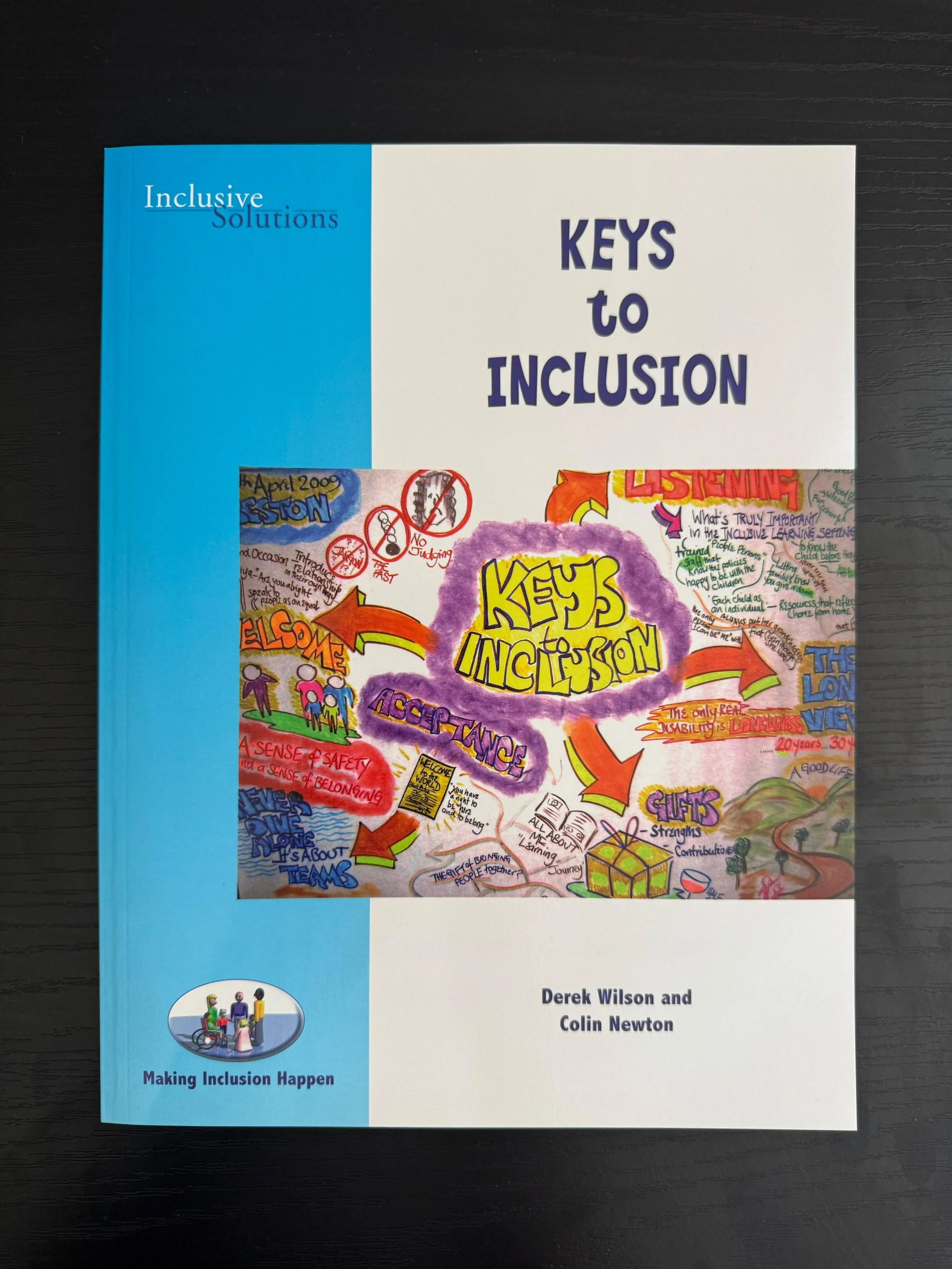
This is a book about inclusion – a much used and misunderstood word. Inclusion has been a commonplace jargon word in the world of education and beyond over the last decade but what on earth does it mean? We have spent much of our professional and personal lives as educators, educational psychologists, parents and co founders of Inclusive Solutions trying to figure this out and to work out what it will take to make inclusion a reality. We think the word inclusion has many meanings each which lead to action – all of them important – and in this book we call these meanings: The Keys. We will take a close look at 8 Keys to inclusion and the actions needed if these keys are to open up fresh possibilities and lead us into new places in our work.
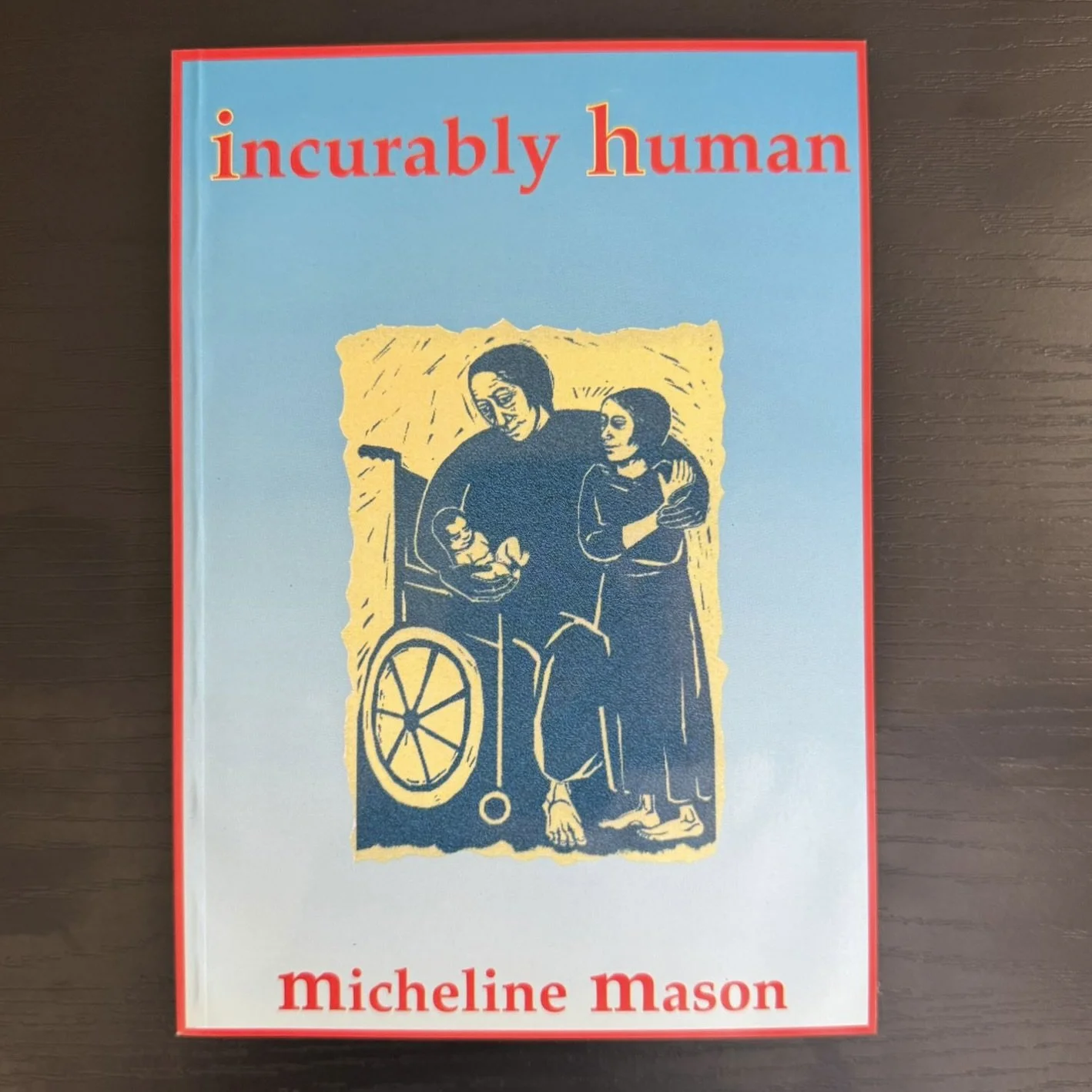
By piecing together a personal journey of discovery, the author explores the deeper meaning of inclusion. She looks at how communities, families and schools are being fragmented by the focus of global economics, rekindling the past eugenic policies.
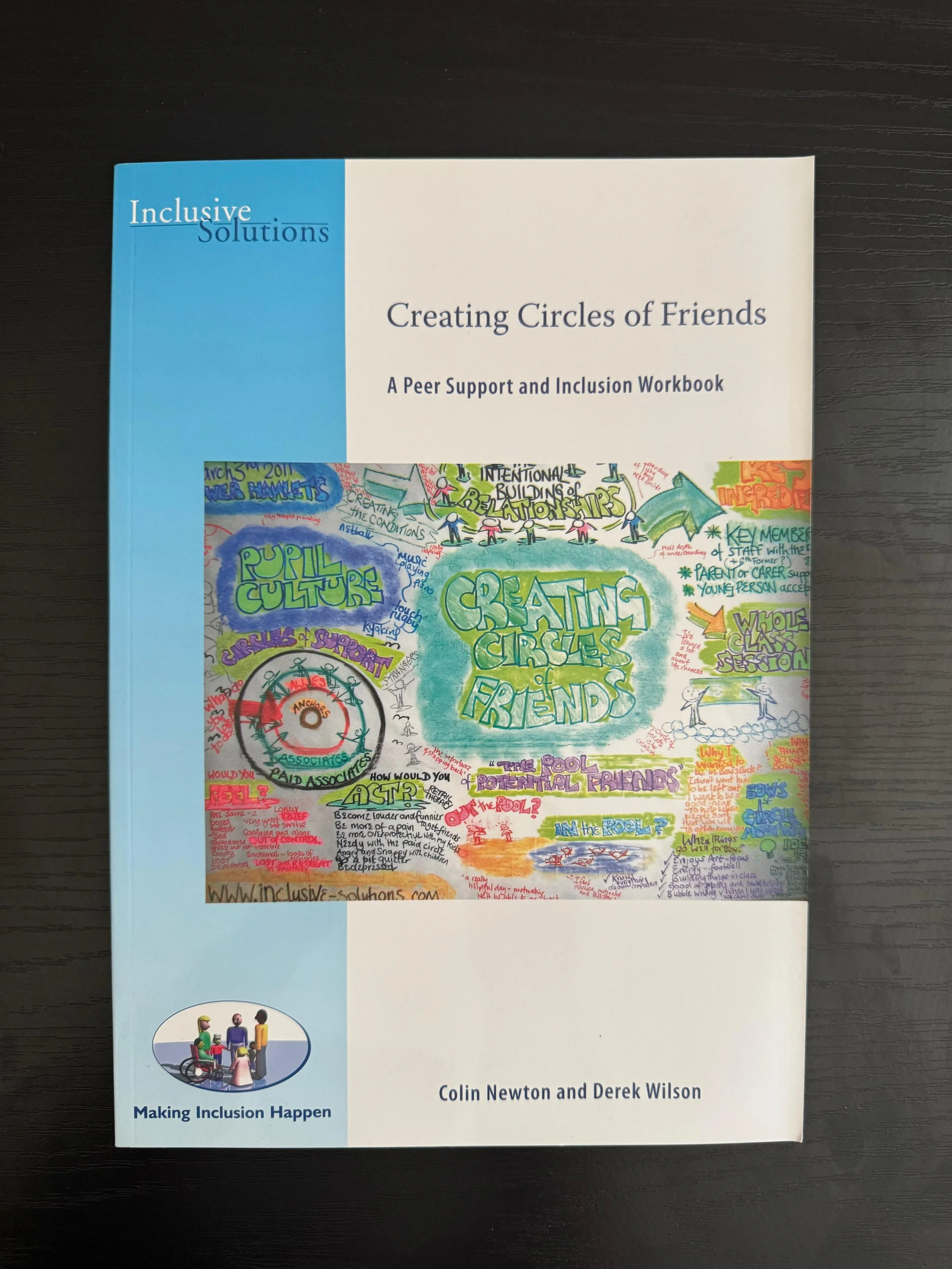
Creating Circles of Friends By Colin Newton and Derek Wilson – Inclusive Solutions This is a revised version of the original text by the authors: ‘Circles of Friends’. The book is a must for anyone interested in building friendships and relationships around those vulnerable or challenging through reason of disability or emotional need. Building respectful teams of support around an individual, tapping into that child’s peer group is an extremely powerful way of promoting change and insights for all involved. Circle of friends, is ultimately a tool for inclusion and is based on solid values as well as practical processes. The book describes both the values and the practical application of this approach to human change. What is more the approach works!
This book is a practical guide to person-centred planning approaches, including instructions on how to run your own PATH and MAP meetings.
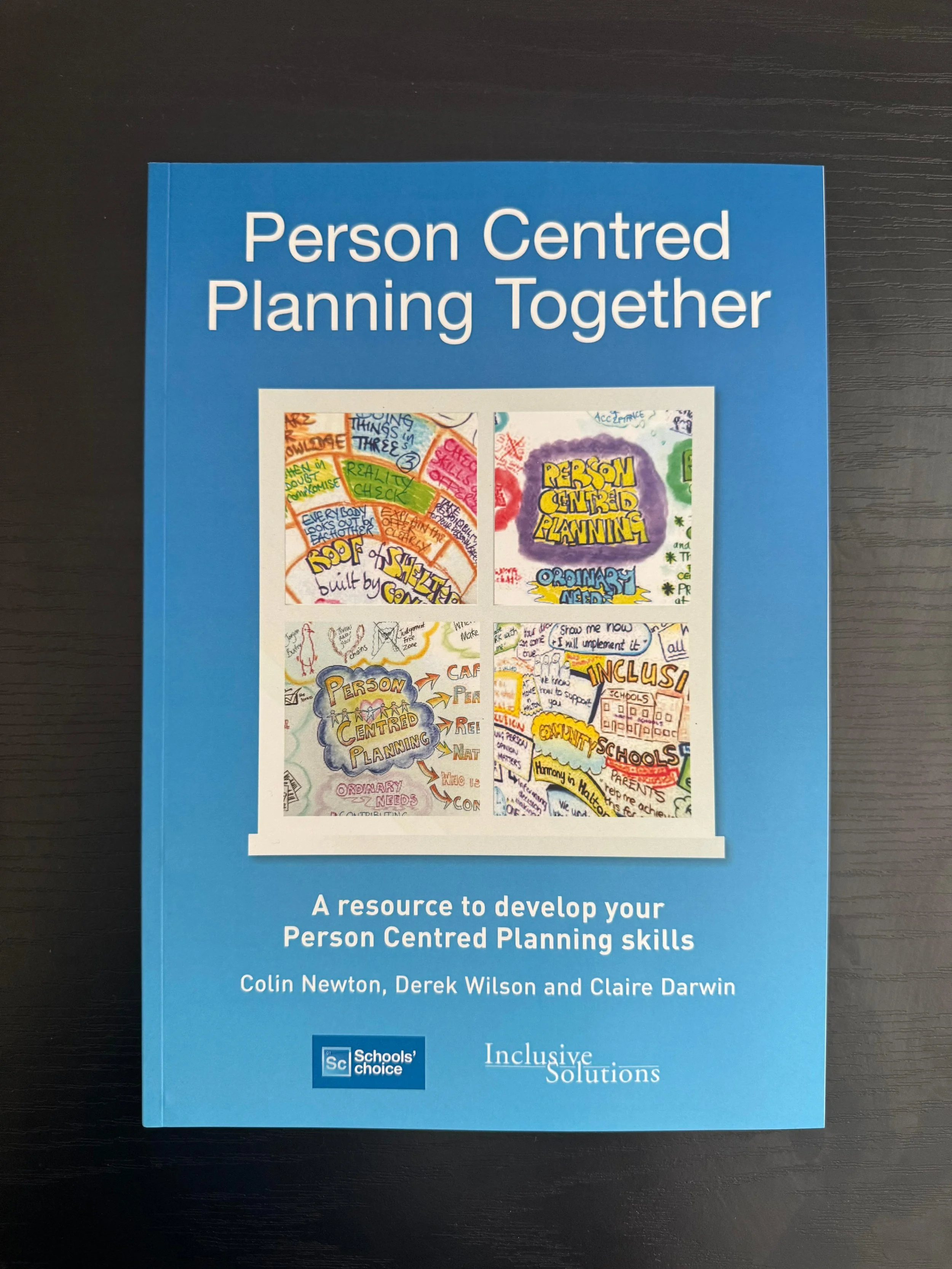
The phrase ‘Person Centred Planning’ was coined in North America in the mid-1980s to distinguish the person-centred way of doing planning from so-called ‘service centred’ approaches to planning that are solely framed by whatever services are typically available. People’s lives are seen to be managed by the service system within service-centred planning, whereas within Person Centred Planning the individual is given as much choice and control as possible and this includes who comes to the planning meeting, where and when it is held and, crucially, that the person who the meeting is about, is always present. Much of this book is taken up with descriptions and will link you to resources to support the use of the most commonly used Person Centred Planning tools, particularly MAPS and PATH. Both of these tools are ‘big picture’ planning activities that need skilled facilitation to be successfully implemented and this book will give much guidance about how this is done.
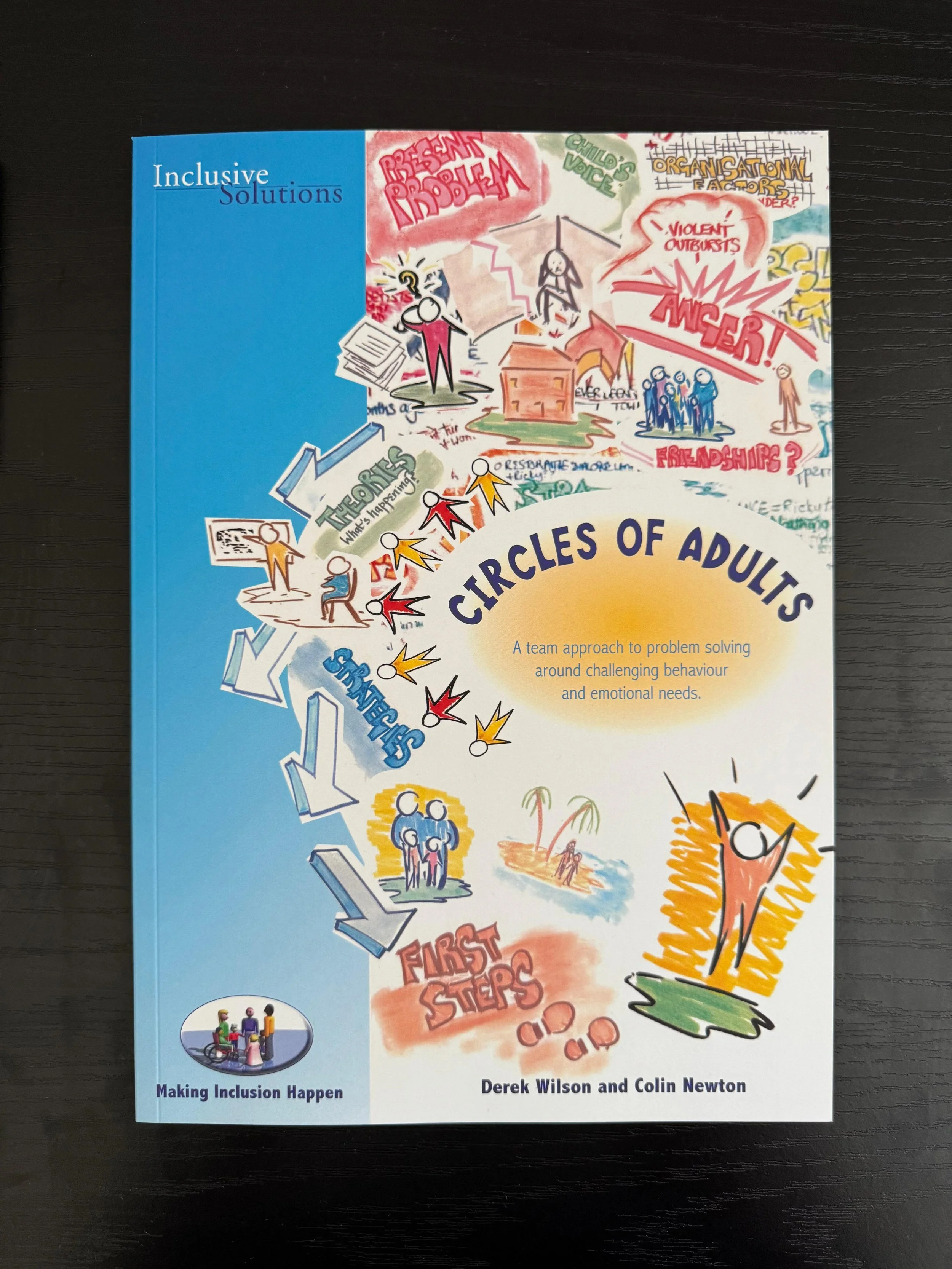
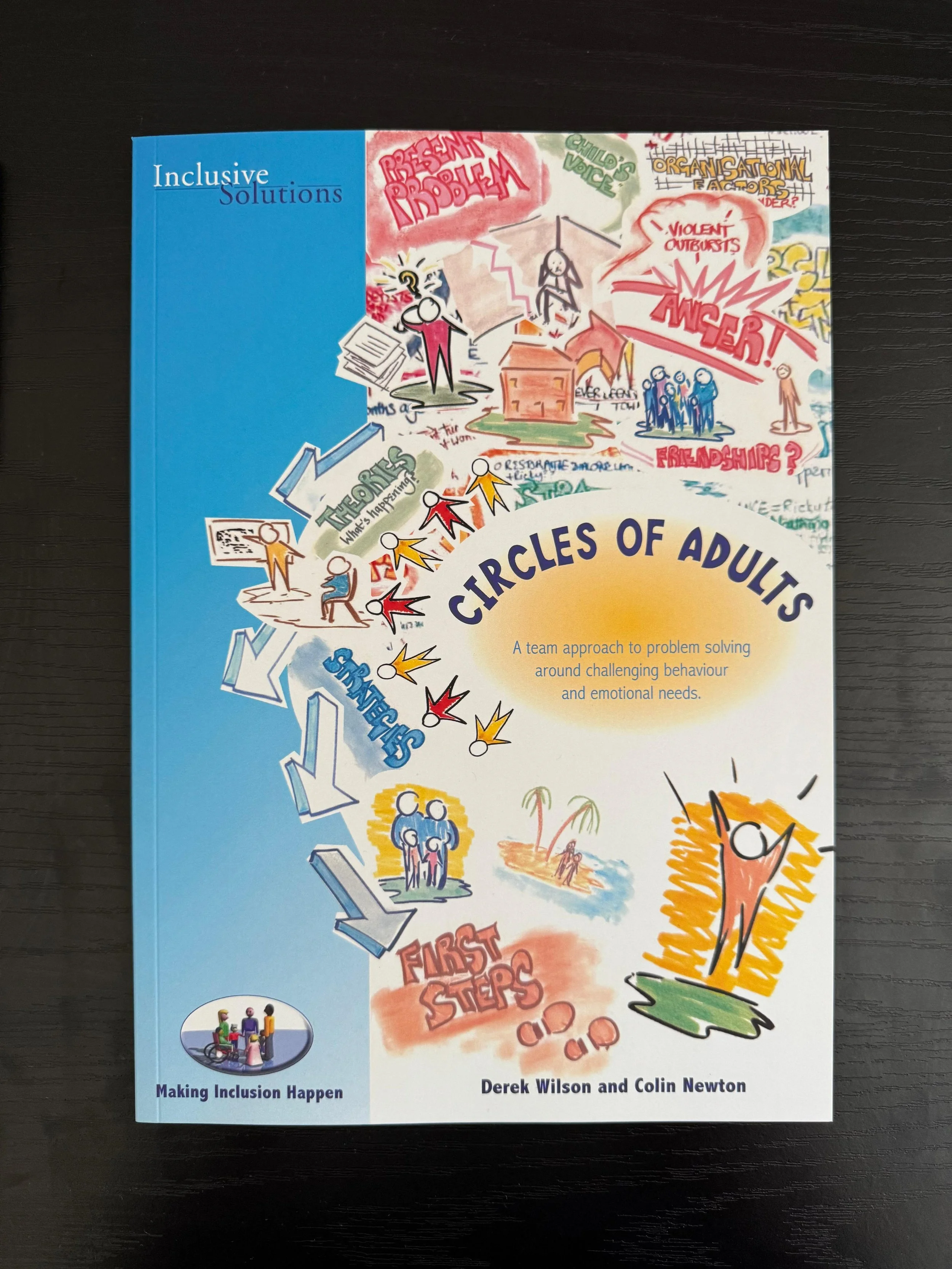
The Circle of Adults book, written by Colin Newton and Derek Wilson, co-founders of Inclusive Solutions.
Circles of Adults offers the practitioner a 10-step process for facilitating team problem solving around issues of challenging behaviour and emotional needs. Problems are addressed further upstream than conventional approaches to problem solving. Change is targeted at the source of our thoughts and feelings around a particular young person or difficult issue. Features full graphics and full colour throughout with clear easy-to-follow guidelines for facilitating the process.
No results match your search. Try removing a few filters.
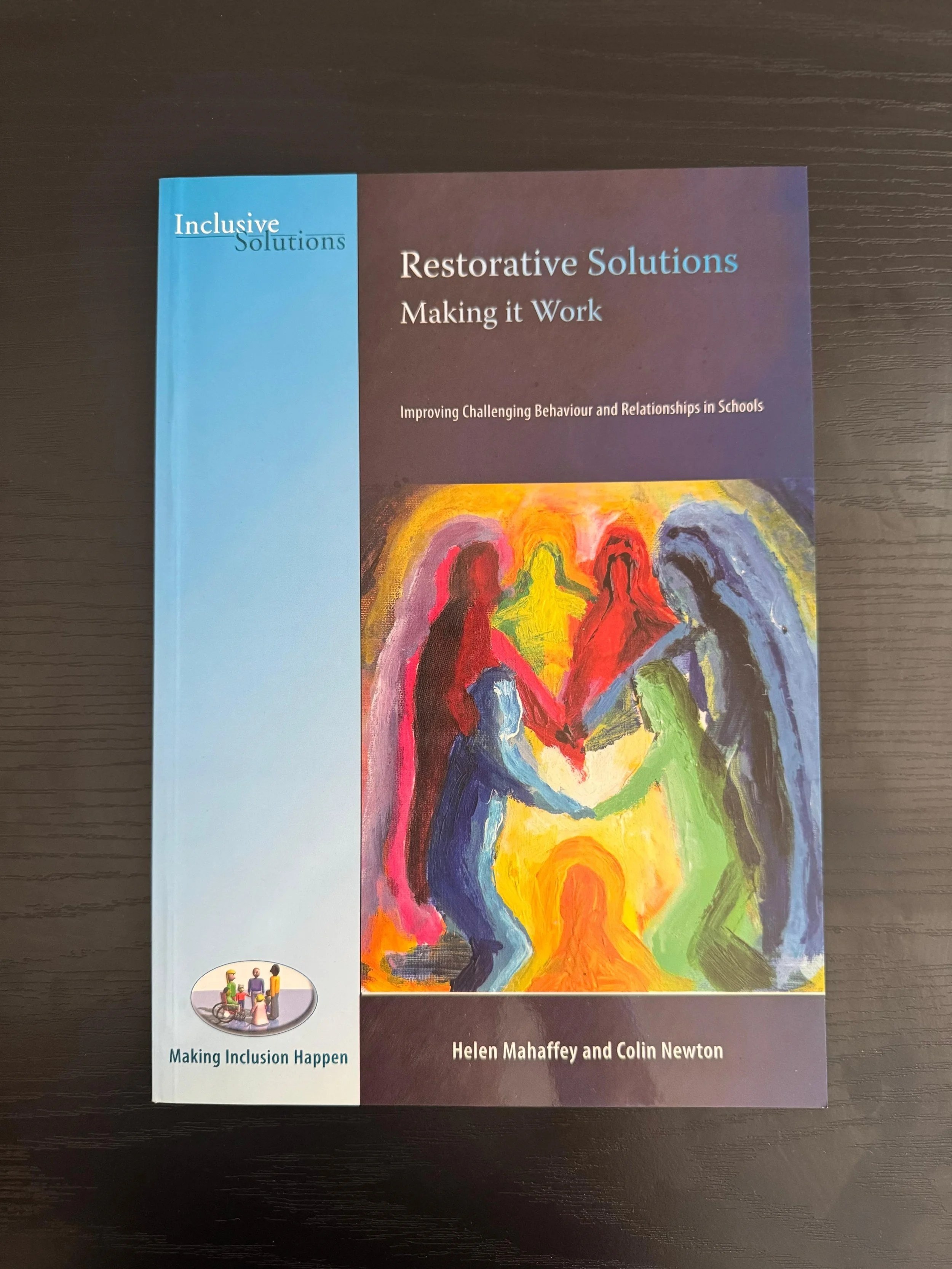
This is a practical book about how to implement Restorative interventions and approaches in schools. The book gives guiding ideas, principle, theory and values as well as direct scripts for those involved in direct contact with pupils, staff and parents. Restorative SOlutions are about inclusion, transforming relationships and radical ways of impacting upon conflict and rule breaking behaviour. All schools in the UK and Support Service staff will want a copy. Parents will also find it an extremely valuable resource for bringing up their own children peacefully. Preface by Sir Charles Pollard (ex Chief Superintendent, Thames Valley Police) “Bad behaviour in our schools – often leading to school exclusions, speeding the pupils involved to the social scrapheap – has become a blight on our education system. Solutions are hard to come by. Most come in the form of yet more punitive discipline, which merely heightens the problem. What is needed in schools is fresh thinking, new approaches that work – and Restorative Practices are precisely that. Restorative Practices break the cycle by tackling the root causes of misbehaviour, rather than just massaging the symptoms. Many badly behaved pupils, faced directly and personally with the harm they have done to others, not only see the error of their ways but are often even transformed into positive role models. And they don’t need to be excluded. This book is an invaluable tool for all who want to learn about Restorative Solutions. It describes how, when and where they can be used, not just to reduce exclusions but – even more importantly – to improve the whole behavioural culture of the school and improve attainment. All who work in schools should read it and act on it.”